


Engine Oil Buying Guide
The ultimate performance, economy and longevity of your vehicle ultimately depends on one thing: engine oil. But not just any old oil. Choosing the wrong one can increase wear, reduce efficiency, and even shorten engine life. The key is choosing the right engine oil for your vehicle, and it's not as complicated as it sounds. In this guide, we'll take you through everything ‘engine oil':
What is Engine Oil

Why Engine Oil Matters
Different Types of Engine Oil
Petrol vs Diesel Engine Oil
What do Engine Oil Numbers Mean
Does Engine Oil Expire
What Engine Oil Does my Car Need
Choosing The Engine Oil For Your Needs
How Much Does Engine Oil Cost
How to Check Your Engine Oil
How to Change Your Engine Oil
Where to Dispose of Engine Oil
How Often Should You Change Engine Oil
Popular and Trusted Engine Oil Brands
Ready to Get Your Engine Oil Sorted
What is Engine Oil?
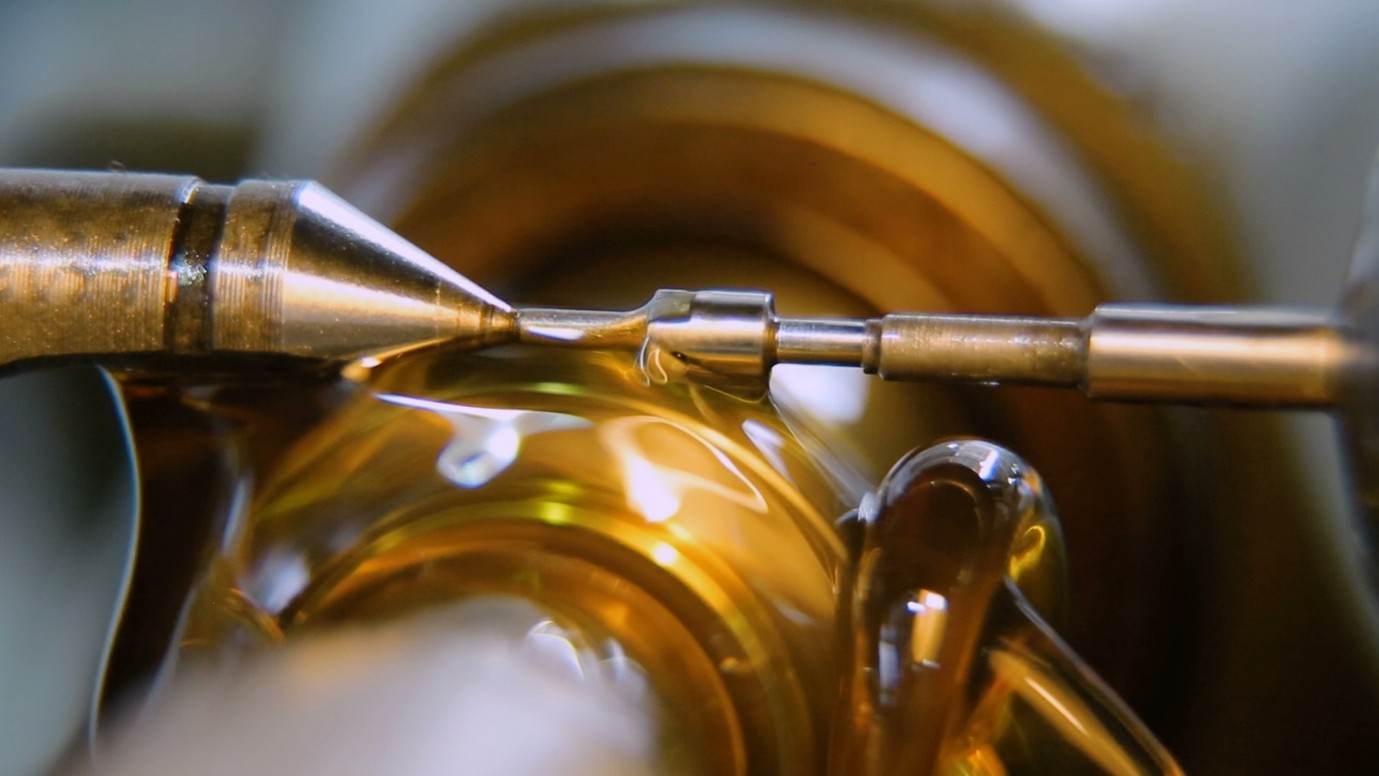
Engine oil is a fluid that lubricates, cools, protects, and cleans your engine while it's running. Think of it as the blood of your engine - constantly circulating to keep everything moving smoothly and in good condition.
As it flows through the engine, it forms a thin protective barrier between moving metal components, reducing friction and wear. At the same time, it carries away excess heat and picks up microscopic particles created through normal engine use.
What engine oil does:
- Lubricates moving parts to reduce friction
- Protects components from wear
- Cools by carrying heat away
- Cleans by collecting contaminants
That oil is stored in the lowest part of the engine (the sump) where it's picked up by a pump, passed through the oil filter to catch the microscopic particles, and often runs through an oil cooler to cool it before cycling it back through the system.
It's a high-pressure job and even the best engine oil breaks down over time. That's why replacing it is a simple but essential part of vehicle maintenance.
So now you know what engine oil does, let's look at why keeping it in good shape matters so much.
Why Engine Oil Matters?
Engine oil matters because it will directly impact how your car performs and how long it lasts - and once it starts to degrade, you'll begin to feel it pretty quickly.
When oil is fresh:
- Smoother performance
- Better fuel efficiency
- Reduced engine wear
When oil is old:
- Thicker, sludgy oil increases resistance
- Higher fuel consumption
- Accelerated engine wear
- Risk of blocked oil passages

As engine oil breaks down, it becomes contaminated and starts to thicken. Instead of helping your engine, it begins to work against it, making it harder for everything to run smoothly. Over time, that thicker oil can't properly lubricate components, which speeds up wear.
It can also turn into sludge and clog delivery lines, in some cases causing damage that even a fresh oil change won't fix. Ignore it long enough and you're looking at serious consequences, potentially a full engine rebuild that can cost more than the car itself. You get the idea - keep it fresh!
Keeping it fresh is one thing, but you also need to make sure you're using the right type to begin with.

Different Types of Engine Oil
Not all engine oil is the same. Different engines and driving conditions require different types of oil, but choosing the right one is easier than you might think.
Engine oils generally fall into three categories: conventional, semi-synthetic, and full synthetic. Each offers different levels of protection, performance, and value to suit different vehicles and driving needs.
Let's break down the three main types of engine oil and see how they compare.
| Type | Performance | Longevity | Cost | Best For |
|---|---|---|---|---|
| Mineral | Basic | Short | Low | Older engines |
| Semi-Synthetic | Moderate | Medium | Mid | Everyday driving |
| Full Synthetic | High | Long | Higher | Modern & performance engines |
Mineral Engine Oil
Mineral engine oil is a basic oil refined from crude oil. It provides good lubrication and protection, but it does break down quicker. This means engine oil changes should be more frequent.
Best For: Older engines (pre-1990) where budget is front of mind and more regular servicing is not a concern. Modern engines don't tend to perform well on mineral oil.
Semi-Synthetic Engine Oil
Semi-synthetic engine oil is a calculated blend of synthetic and mineral engine oil which offers a great price and performance middle ground. This one is suited to a wide range of vehicles and especially modern turbo diesel engines which prefer synthetic engine oil.
Best For: Everyday driving in modern cars, SUVs, and modern diesel engines. An excellent middle ground for cost, service intervals, and suited to everyday driving conditions.
Full Synthetic Engine Oil
Full synthetic engine oil is highly engineered in a laboratory, blending refined mineral oil with chemically synthesised oils and a complex additive package. This allows full and precise control over how the oil performs in both extreme heat and cold conditions. In most cases, full synthetic oil will outperform other types, especially for temperature stability and longer service intervals.
Best For: Modern engines, turbocharged and performance engines. While it costs more upfront, it lasts significantly longer and meets the strict requirements for modern engine tolerances and emissions regulations.
Now that you've got a handle on oil types, the next step is making sure it matches your engine.
Petrol vs Diesel Engine Oil
One of the biggest factors in choosing the right oil is whether your engine is petrol or diesel. They're built differently, run differently, and need different types of oil to suit accordingly.
How to tell if your car is petrol or diesel
- Check the fuel label inside the fuel cap or near the filler
- Look at your owner's manual or service records
- Enter your rego into ‘My Garage' for a quick answer

Key differences between petrol vs diesel
Once you know which engine you have, it's good to know how the oil is built to specifically suit it:
| Factor | Petrol Oil | Diesel Oil |
|---|---|---|
| Combustion | Lower pressure | Higher pressure |
| Additives | Standard | Heavy-duty (handles soot and acids) |
| Cleaning | Moderate | Strong detergents |
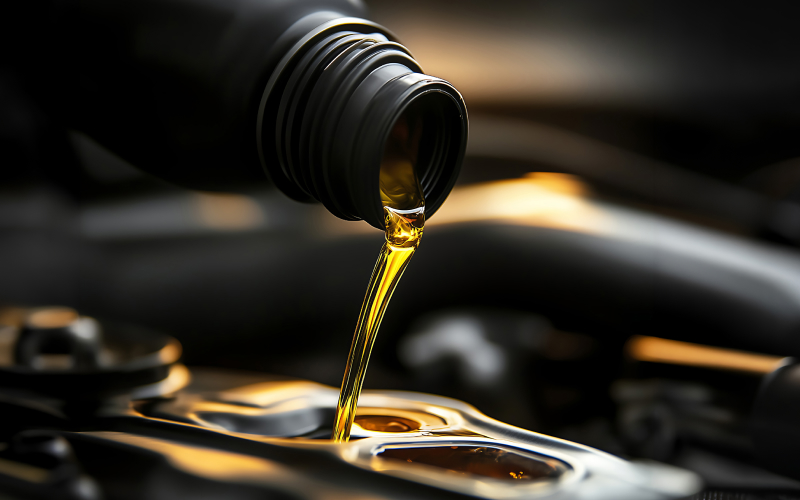
Diesel engine oils are built to handle tougher conditions and typically include:
- More anti-wear additives
- Stronger cleaning agents
- Additives to manage acids and soot build-up
Because of these differences, petrol and diesel oils are not interchangeable, even if the viscosity is the same (don't worry, we'll cover viscosity in a moment). Using the wrong oil can lead to:
- Increased engine wear
- Soot build-up
- Long-term engine damage
Oils are clearly labelled on the packaging, so once you know your engine type, it's straightforward to choose the right one on the shelf. Now you know whether you have a petrol or diesel engine, let's decode the engine oil numbers on the bottle so you know what you're actually looking at.
What do Engine Oil numbers mean?
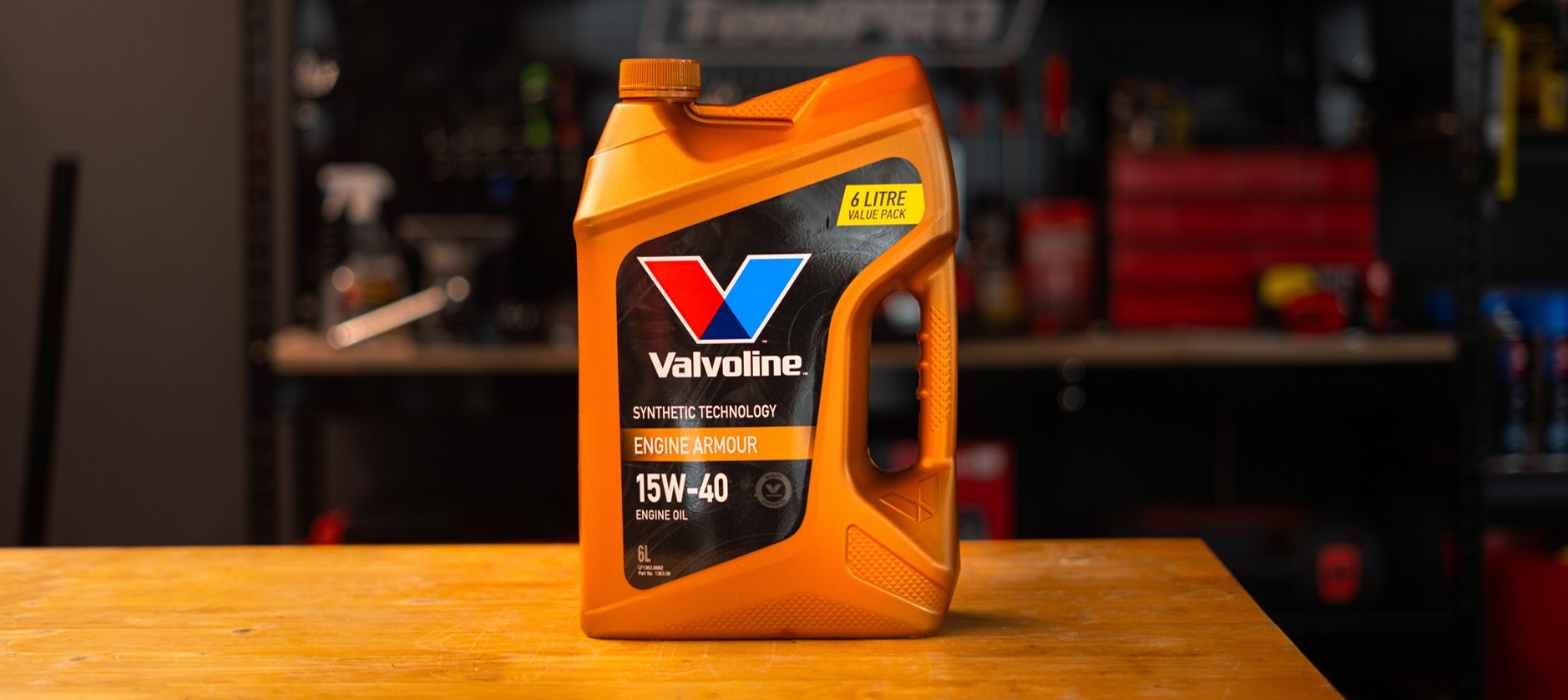
Engine oil numbers refer to viscosity, sometimes called the “weight” of the oil. In simple terms, viscosity is how thick or thin the oil is, and it's one of the most important things to get right when choosing engine oil. You'll usually see something like 15W-40 on the bottle. But why two numbers?
| Rating | What it means |
|---|---|
| Lower first number (eg. 5W vs 15W) | Flows faster when it's cold (easier cold starts) |
| Higher second number (eg. 40 vs 30) | Holds its thickness better when the engine is hot (better protection) |
In simple terms, you want an oil that flows easily when you start the car but still protects the engine once everything heats up.
Using 15W-40 as an example
- 15W shows how the oil flows when it's cold (the “W” stands for winter)
- 40 shows how the oil performs once the engine is up to temperature
In simple terms, you want an oil that flows easily when you start the car but still protects the engine once everything heats up.
Common examples
Once you see the pattern, it starts to make more sense when comparing viscosities:
5W-30
A great all-round oil for most modern vehicles. Flows well on cold starts and provides solid protection in everyday driving
10W-40
Slightly thicker, which can help in warmer conditions or if the engine is working harder, like towing or highway driving
20W-50
Much thicker again, often used in older engines where extra protection is needed due to wear and looser tolerances
Other standards to look for
Viscosity is the main thing you'll notice, but you might also see a few other specs on the bottle:
API
Common for US and Asian vehicles
ACEA
European standard for higher performance engines
JASO
Often used for Japanese engines and motorcycles
ILSAC
Focuses on fuel economy and emissions
Each oil can meet multiple standards at once, so simply match both the viscosity and required specifications for your vehicle to what's on the bottle and you're good to go.
Now that the numbers make sense, let's clear up another common question: does engine oil expire?
Does Engine Oil expire?
Yes, engine oil does expire, both in the bottle and once it's in your engine:
In storage:
In an unopened bottle, engine oil can last up to around 5 years if stored correctly. Once opened, exposure to air and moisture starts to break it down, reducing its shelf life to roughly 12 months.
In your engine:
The lifespan is shorter again once the oil is in your engine, even if you only drive the car once a month. Typically, the standard service interval is 6 months, though if you're using a synthetic oil, it could be good for up to 12 months.
The further you push the timeline on engine oil, the more it breaks down, thickens, and loses its effectiveness. Additives start to deteriorate and viscosity can change, both of which reduce protection and increase wear on your engine.
So with that in mind, let's jump into how to find the exact oil your car needs.
What Engine Oil does my car need?
The right engine oil for your car is the one that matches your manufacturer's recommended viscosity and specifications. Finding which engine oil your car needs is super easy; there's a few ways you can do this:
Check your owner's manual:
Your owner's manual or service records will list the correct viscosity and any required oil standards. Match that to what's on the bottle and you're good to go.
Use ‘My Garage' on the Supercheap Auto website:
Simply enter your car rego, confirm your vehicle, and it will recommend the right type and amount of oil. Similar tools are also available on most major oil brand websites.
Ask at your local Supercheap Auto store:
Head into your local store and a team member can help you choose the right oil based on your vehicle, budget, and how you drive.
Oil requirements can vary significantly from one vehicle to the next, so above all; it's important to follow the manufacturer's recommendations rather than just grabbing the cheapest oil you see.
Once you know the specs, you can fine-tune your choice based on how you actually use your car.
Choosing the right Engine Oil for your needs
Choosing the right engine oil doesn't have to be complicated. It's all about matching your engine, your driving habits, and your conditions. Your decision process should look something like this:
Check what your engine needs:
Start with the manufacturer's recommendation. Your owner's manual will list the correct oil type, viscosity, and required standards. This is your baseline, and it's always the best place to start.
Check required oil specifications:
Some vehicles require specific oil standards such as API, ACEA, or manufacturer approvals. These go beyond viscosity and ensure the oil meets your engine's exact requirements, especially important for modern and European vehicles.
Think about how you drive:
Not all driving is equal. Towing, off-road use, short trips, and stop-start traffic are all considered “severe use” and can put more strain on your engine oil. In these cases, a higher quality synthetic oil will perform better and last longer.
Consider your climate:
Temperature plays a big role in how oil performs. In colder conditions, a lower winter rating helps oil flow more easily on startup. In hotter conditions, a slightly thicker oil can provide better protection once the engine is up to temperature.
Factor in vehicle usage:
If your car sits unused for long periods, a synthetic oil can be a better option. It holds up better over time and handles those longer gaps between drives without breaking down as quickly.
Think about engine age:
Newer engines are built with tighter tolerances and typically require thinner oils. As engines age and wear, slightly thicker oil can sometimes help reduce consumption, leaks, and general wear.
Account for turbocharged engines:
Turbocharged engines run hotter and under more pressure than non-turbo engines. Because of this, these typically require high-performance oil, usually full synthetic, to handle those conditions.
Balance cost vs performance:
There's no one-size-fits-all answer. While cheaper oils may save money upfront, higher quality oils often last longer and provide better protection. It's about finding the right balance for your driving needs and budget.
Choose a trusted brand:
Sticking with a recognised, reputable brand helps ensure you're getting an oil that meets industry standards and delivers consistent performance.
Take your time, follow your vehicle's manual, and match your oil to how you drive. Get it right, and you'll get better performance, longer service intervals, and a healthier engine over the long run.
Now that you know what to look for, let's talk about what you can expect to pay.
How much does Engine Oil Cost?
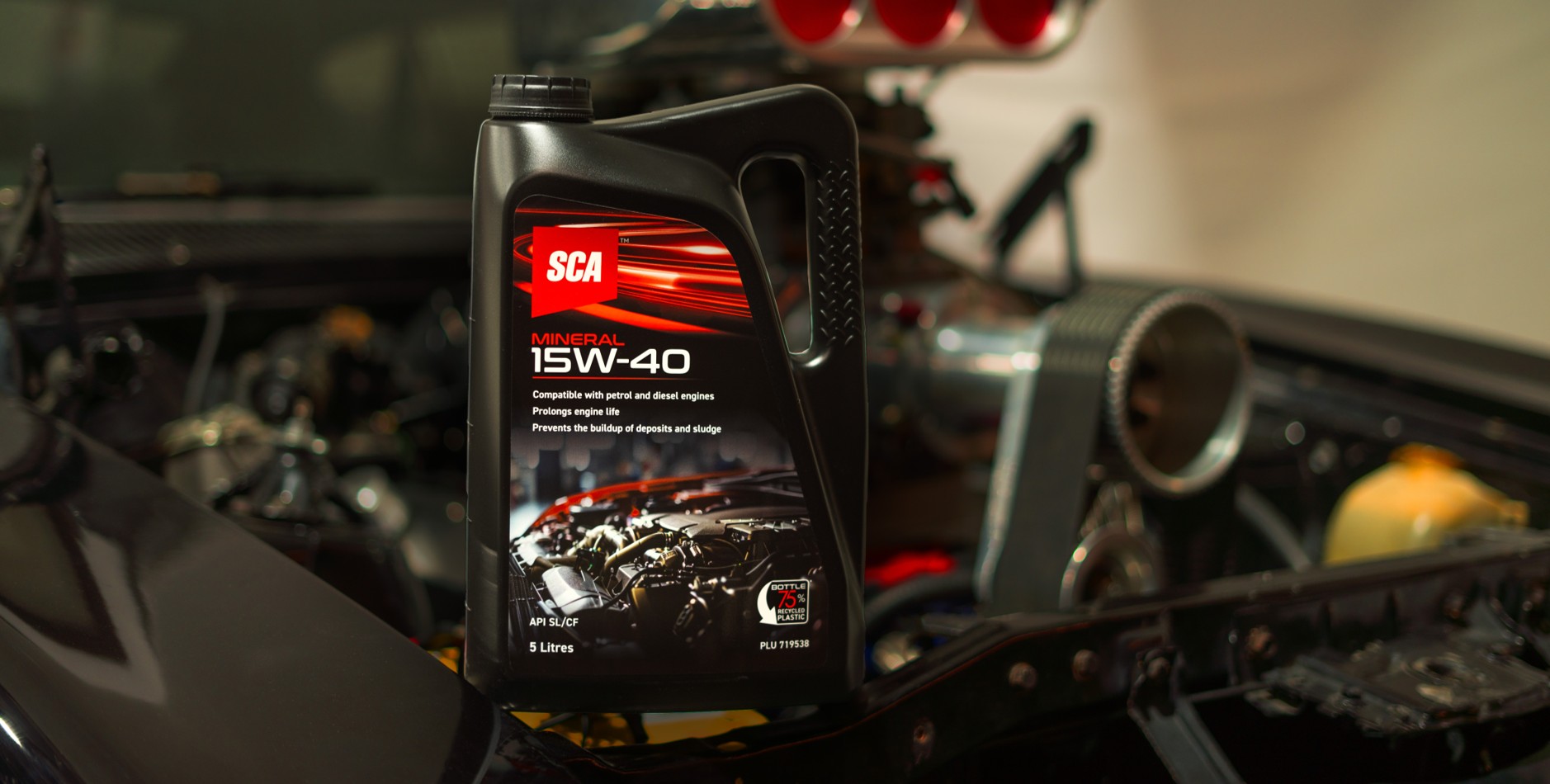
Engine oil pricing varies depending on the type, quality, and what your vehicle actually needs. You could spend over $300 on high-end race oil, but for most everyday drivers, there's no real benefit in going that extreme.
Typical price ranges (for around 5L)
- Mineral oil: $37-$73
- Semi-synthetic: $51-$87
- Full synthetic: $56-$130+
These are just indicative ranges - Prices can vary based on brand, formulation, and whether the oil is designed for specific engines or conditions. It's best to check at the product level for specific costs.
What you're really paying for
- Last longer between changes
- Offer better protection
- Help extend engine life
Higher quality oils often last longer between changes and provide better protection, which can help extend engine life and reduce servicing over time. When thinking about cost, you'll also want to factor in possible extras like an oil filter or servicing costs, if you're not doing it yourself at home.
How to check your engine oil?
Checking your engine oil is quick, super simple, and something worth doing every couple of weeks. All you need is a clean cloth and a quick look at a couple of key things.
The main thing you're checking is the oil level, making sure it sits within the recommended range, so your engine is never running low. At the same time, it's worth keeping an eye on the condition of the oil. Dark or dirty oil can be a sign it's time for a change, or that something else might need attention. If you're going to give it a crack, we have a handy DIY on how to check and top up your engine oil.
Staying consistent with these quick checks helps you catch potential issues early, before they turn into bigger, more expensive problems. It's one of the simplest habits you can build to keep your engine running smoothly.

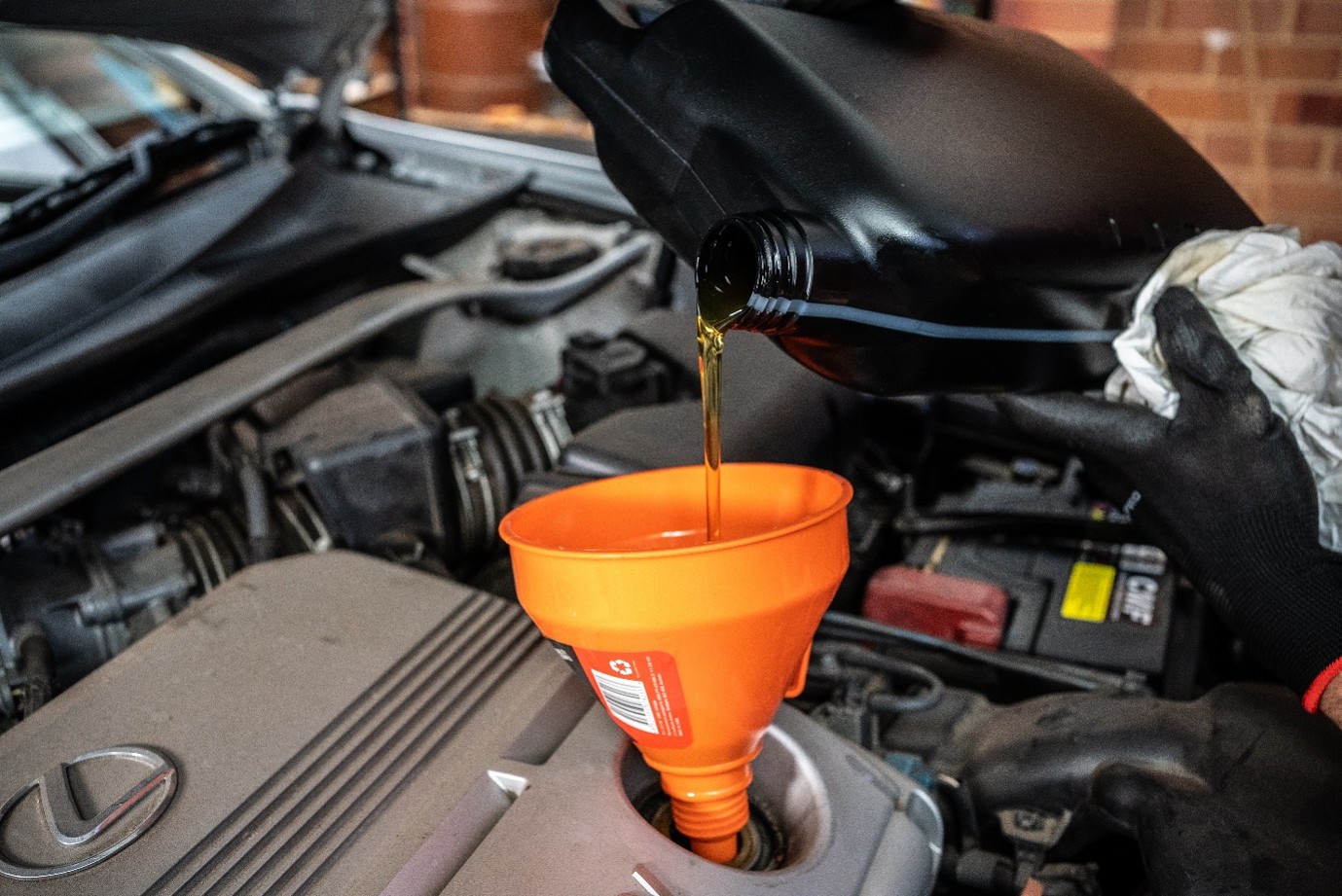
How to change your Engine Oil?
Changing your engine oil is a bit more involved than checking it, and it does require a few tools. But once you're set up and have done it once or twice, it's an easy way to save yourself some money.
It's a straightforward job once you know what you're doing, but doing it properly and safely is key. At a high level, the process goes a little something like this:
- Purchase your oil, filter, and consumables
- Secure your vehicle, and secure yourself (with personal protective equipment)
- Drain the oil from the sump
- Remove the oil filter and replace it with the new one
- Fill your engine with oil to the recommended amount
If you're feeling confident but looking for a bit more guidance, we have another handy DIY on how to change your engine oil and filter which walks you through the process above in more detail.
Of course, there are benefits to leaving it to a pro. A mechanic can help maintain your service history for warranty (the manufacturer may not honour your warranty if you choose to DIY), will often pick up any other issues while they're at it, and take care of disposing of the old oil properly.
If you're doing it yourself at home, the disposal part becomes your responsibility, so it's important to know how used oil should be handled and recycled the right way.
Where to dispose of Engine Oil
It's not the 1950s anymore, you can't just dig a hole and tip old oil in the backyard. The good news is most oil can now be cleaned up and recycled into new oil, so it's quick and easy to play your part.
There are a couple of easy ways to dispose of it, and it won't cost you a cent:
Local council facilities:
Most councils offer free disposal through recycling centres or waste facilities
Oil recycling at Supercheap Auto:
You can bring your used oil into select stores and we'll recycle it for you, free of charge for non-commercial quantities
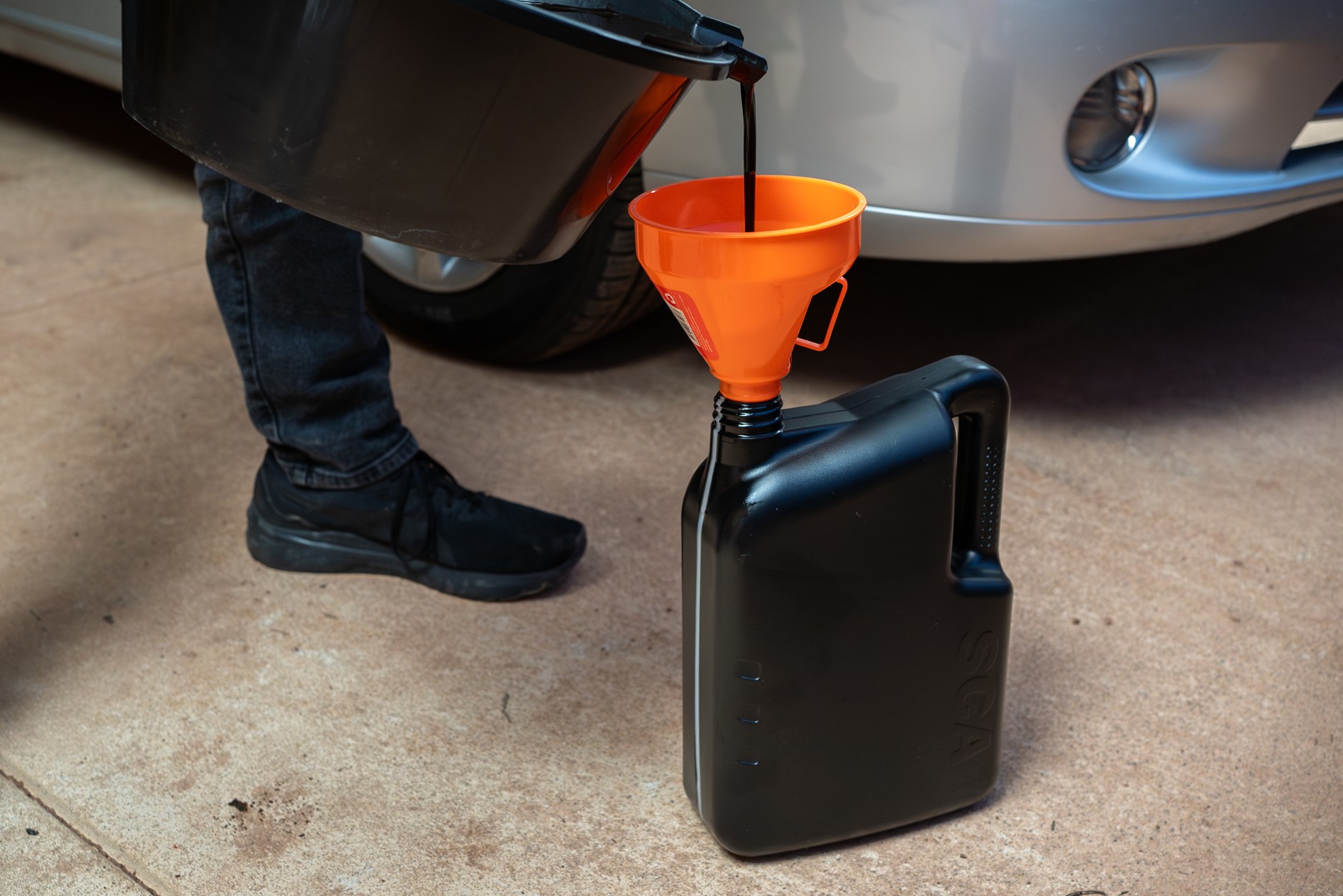
Just make sure you transport your used oil in a sealed, suitable container. Disposing of your oil properly is quick, free, and helps keep both your engine and the environment in good shape
Once that's sorted, it really comes down to staying on top of when to change your oil in the first place.
How often should you change Engine Oil
How often you should change your engine oil depends on the oil type, your engine, and how you drive. While we've put together a rough guide below, please note that it is intended as a general guide only.
Always consult your vehicle's owner manual and manufacturer recommendations for accurate service intervals. How you use and drive your vehicle can also significantly impact how often your oil should be changed, so it's important to take this into account.
Rough guide (time and distance)
*The figures below are rough interval estimates only - based on oil type - and should not be used as a substitute for your vehicle's owner manual or manufacture recommendations:
| Oil type | Rough interval |
|---|---|
| Mineral | 6 months or 5,000-7,500 km* |
| Semi-Synthetic | 6-9 months or 7,500-10,000 km* |
| Full Synthetic | 12 months or 10,000-15,000 km* |
When you might need to change it sooner
| What affects it | What it means for oil changes |
|---|---|
| Oil type | Mineral usually needs changing more often. Semi-synthetic lasts longer. Full synthetic lasts longer again |
| Engine age | Older engines tend to run dirtier, so they often need oil changes more often. |
| Petrol vs diesel | Diesel engines usually put more load on oil, so they often need oil changes more often than petrol. |
| Driving conditions | Towing, off-road use, frequent short trips, and stop-start driving make oil work harder, so it breaks down faster. |
Bottom line: If you're not sure, always stick with your vehicle's recommended service interval.
Popular and trusted Engine Oil brands
No matter what you drive or how you use your vehicle, there's a trusted engine oil brand that will suit your needs. There are plenty of trusted engine oil names on the shelf:
Penrite:
Aussie owned and made with options covering everyday driving to performance and classic vehicles. A strong choice if you want oil tailored to Australian roads.
Gulf Western:
Australian-owned and built for local conditions. Offers a wide range of oils with a good balance of performance and value for everyday driving.
Nulon:
Focused on performance and protection. Known for advanced additives and synthetic oils. A solid pick for improving engine efficiency and long-term reliability.
Castrol:
One of the most recognised names globally, offering oils for everything from daily drivers to high-performance engines covering a wide range of OEM approvals. Known for reliable performance globally.
Mobil:
Known for high-performance synthetic oils, especially suited to modern and turbocharged engines. Ideal if you're after strong protection and longer service intervals.
Valvoline:
A trusted name with a long history, Valvoline delivers consistent performance and protection across a wide range of vehicles. A dependable all-round option.
Petronas:
Backed by motorsport and Formula 1 experience, Petronas oils are designed for performance, precision, and efficiency in modern engines.
Royal Purple:
A premium option focused on high-performance engines, with advanced additive technology for maximum protection under demanding conditions.
Choosing a trusted brand gives you confidence you're getting consistent performance and protection every time you service your engine. With plenty of reliable options available on the shelf, it's easy to find an engine oil that suits your vehicle and how you drive.
Ready to get your Engine Oil sorted?
Getting the right engine oil comes down to a few simple things. First, make sure you know whether your engine is petrol or diesel, then check the recommended oil type and viscosity for your vehicle. From there, think about how you actually use your car, whether that's towing, off-road driving, or lots of stop-start traffic, and factor in your climate if you're dealing with extreme heat or cold. Once you've got that sorted and a clear budget in mind, choosing the right oil should be fairly easy - then it's just a matter of handing it over to a mechanic or having a crack yourself.