

SUPER Clean Your Car
Overview
So you know how to wash your car, and you even enjoy taking a few more steps for that little extra shine. But what if you want a showroom finish? That’s exactly what the advanced SUPER clean is all about. We’ll cover how to polish and protect your paint, plastics and more with the best detail products and techniques available today.
Why car detailing is important
Car detailing is important to preserve the appearance of your vehicle and guard against long term damage brought about through exposure to UV light, air pollutants and contaminants such as bird droppings, road tar, tree sap, industrial fallout and even that cup of coffee spilled last week. A professional detail will remove all these contaminants and help to shield your car for a short time when done correctly.How car detailing is done
Car detailing starts with a wash using products and techniques designed to remove contaminants from the paint whilst minimising the risk of scratching. Following this, claying the paint removes deeply embedded contaminants ready for polishing. Polishing the paint will restore shine, and then a protective coating such as wax or ceramic will add gloss and reduce the embedding of contaminants in the future.Other products and techniques will be applied across glass, plastic, rubber and upholstery both inside and out of the vehicle for maximum effect and protection.
Items
What You’ll Need:
Gloves and safety glasses – some detailing chemicals are harsh on skin and eyes
Three buckets – for the best chance of reducing scratches while washing
A wash mitt or glove
Car wash
Wheel cleaner
Bug and tar remover
Foam wash – for pre-washing your car
A foam cannon – for applying foam wash
A wheel brush
Garden hose
A pressure cleaner – to use the foam cannon, and perform a more effective rinse
A drying towel or chamois
Clay bar kit
Polish
Wax or ceramic detailer
LOTS of microfibre towels
Masking tape
Polish applicators
Glass cleaner – essential to prep for the glass treatment
Glass treatment – this keeps glass cleaner for longer and repels water and contaminants
Trim dressing
Tyre shine
Interior cleaner & protectant
Upholstery cleaner
Leather cleaner
MORE microfibre towels
Detailing brushes
Steps
How to fix yellow headlights
The headlights on our demonstration car are crystal clear, however if yours are yellowed; fixing it can be quite messy. Best to do it before you wash the car. Here you’ll find instructions for how to restore yellow headlights.
How to wash your car with a foam cannon
Well, before you get into that, always start your washing with the wheels. You’ll find instructions for that in our Basic Clean article.
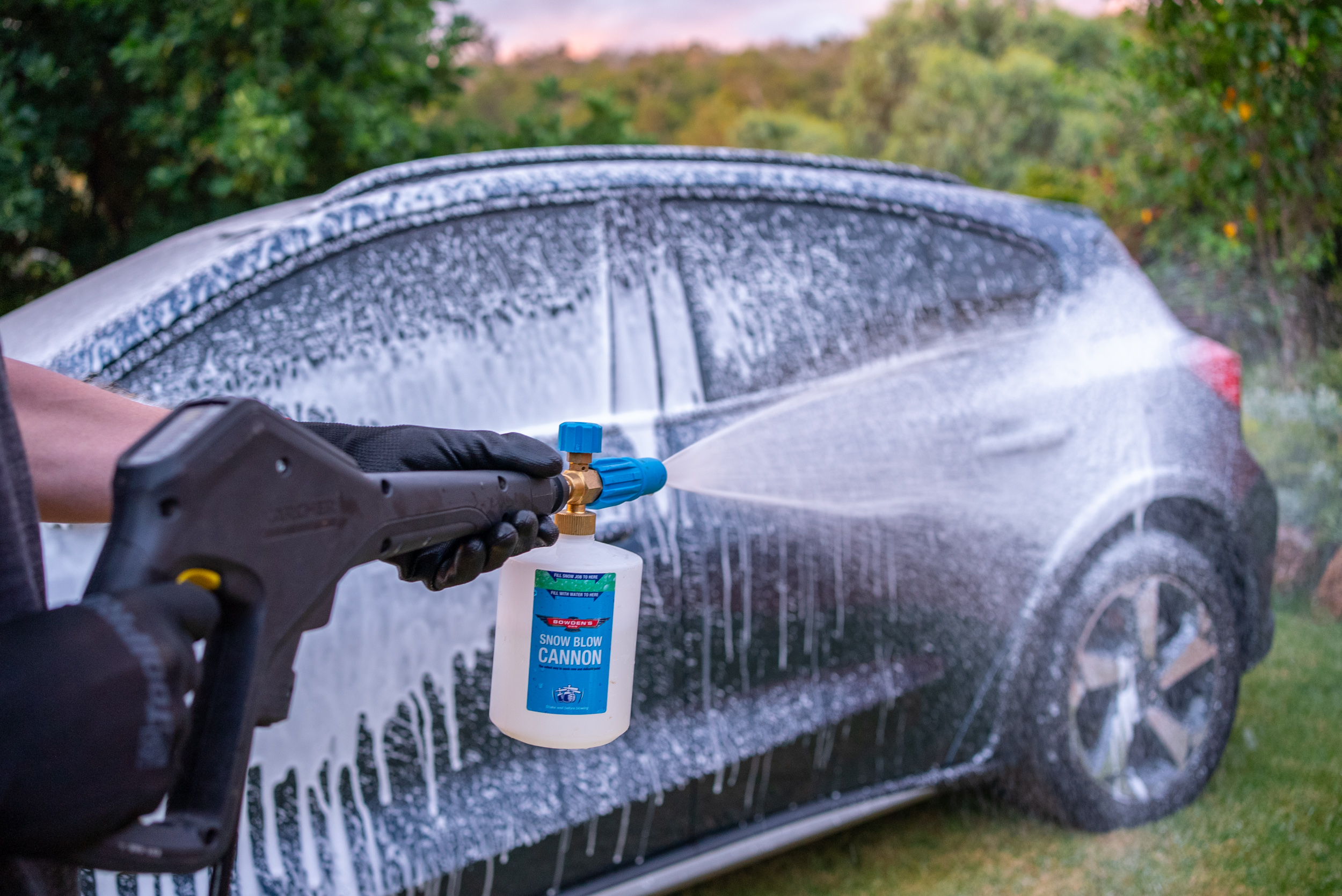
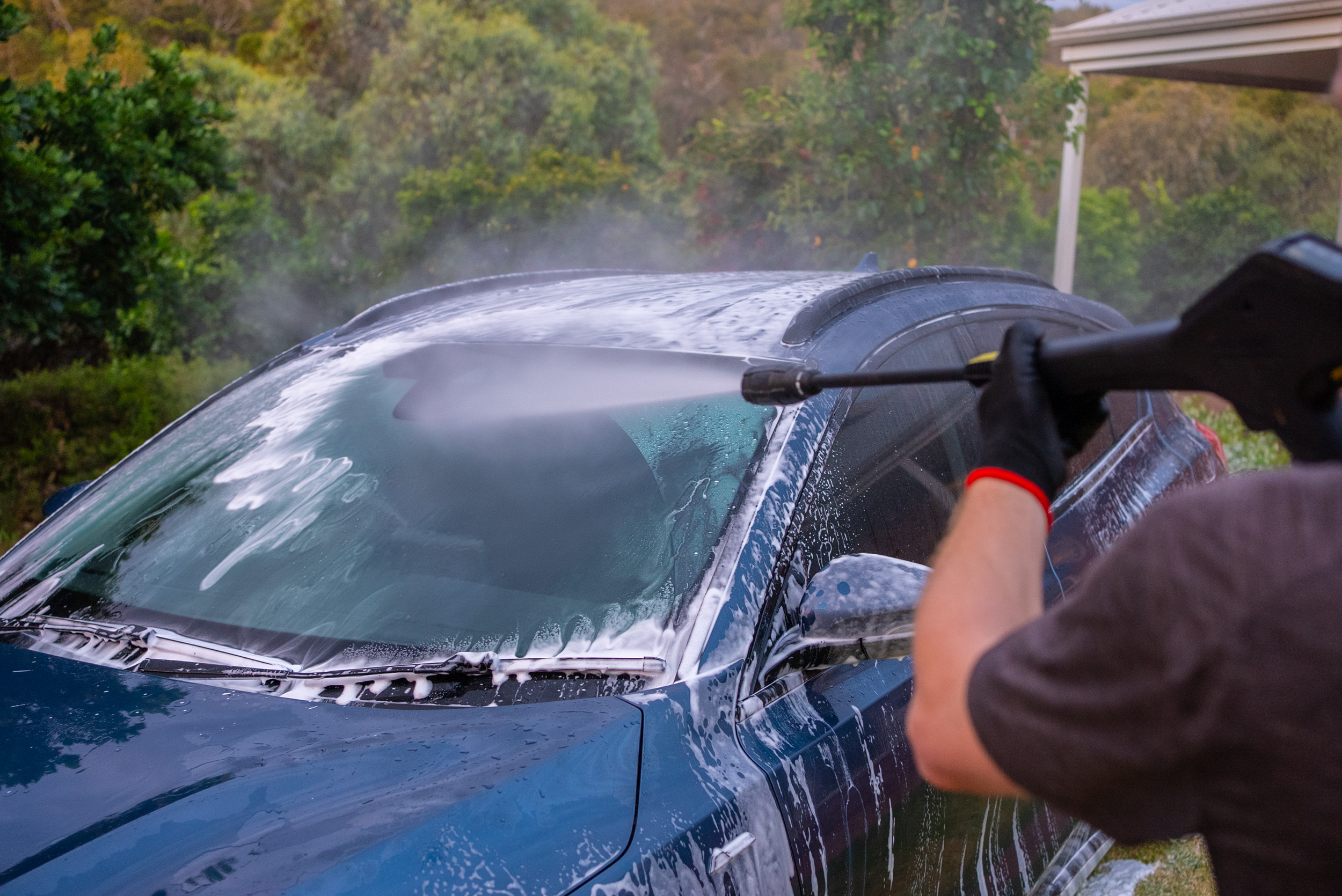
Walk around the vehicle and soak any tree sap, bird droppings, bug splatter or road tar with the bug and tar remover and allow that to soak while you equip your foam cannon. Coat your car top to bottom with wash foam, allow a few minutes for this to dwell, then rinse your car with the pressure washer.
After rinsing, coat your car with foam once again then commence washing using the two bucket method as seen in our Deep Clean article. While you’re there, get up to speed with how to dry your car with a chamois or drying towel and once it’s dry you can move your car into the garage or shed for…
How to use a clay bar to decontaminate car paint
If you purchased a claying kit, you’ll have a couple of pieces of clay and a bottle of spray lubricant or detailer. Break off a small piece of clay, spray a little clay bar lubricant, and work the clay back and forth, covering an area about the size of A3 paper. You probably had no idea just how many tiny particles remain bonded to your paint! The clay should glide smoothly, and you’ll feel and hear the particles in your paint.
Lift the clay and you’ll see the embedded particles. Knead the clay bar until it looks fresh, and carry on claying until the area is smooth as glass. Remember, prison rules apply – don’t. drop. the. clay! If you do, toss it out and grab a new piece
Claying your entire car will take a while, but if you care well for your paint; this is a once-a-year job. Once it’s done, we’re onto…
How to Polish car paint
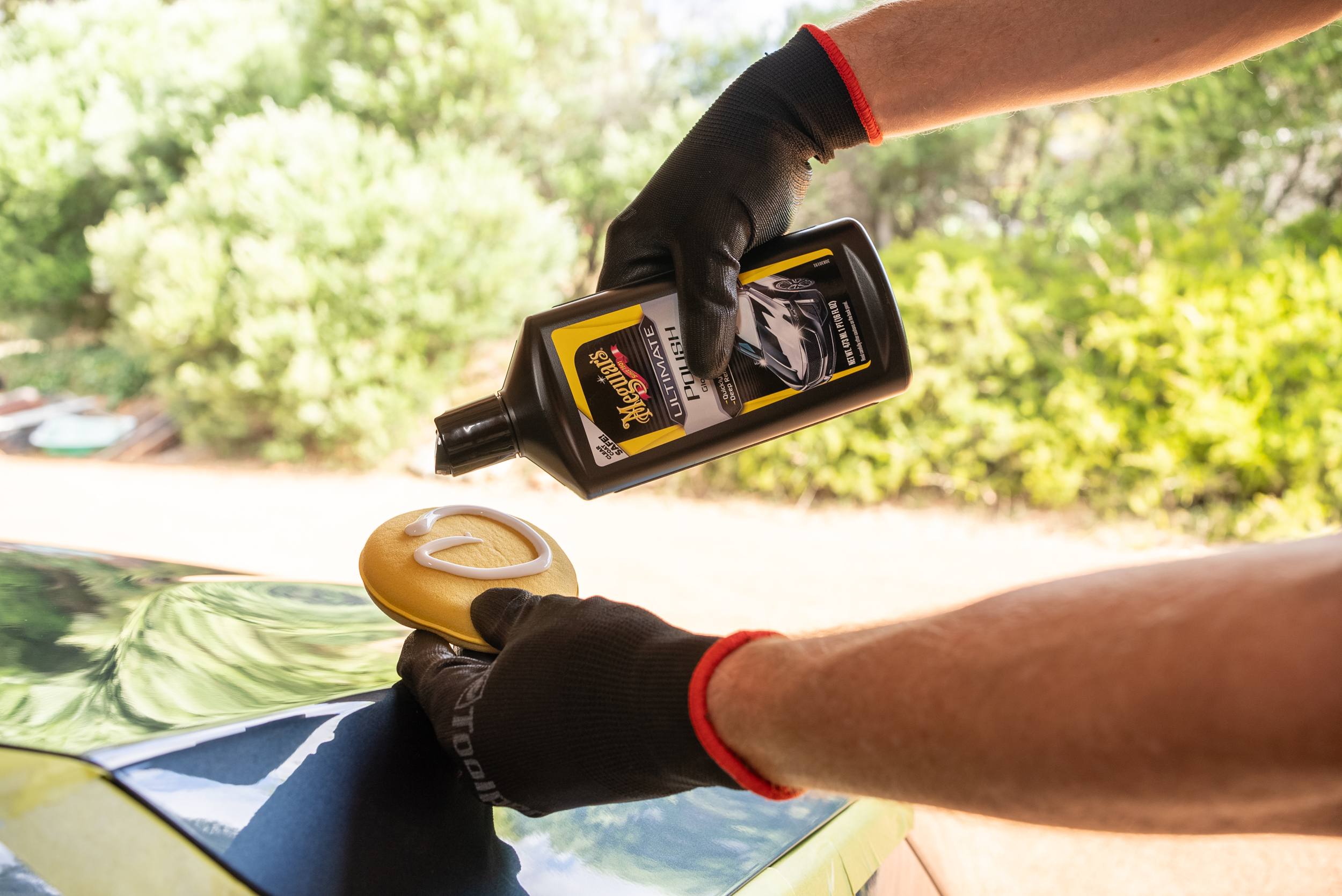
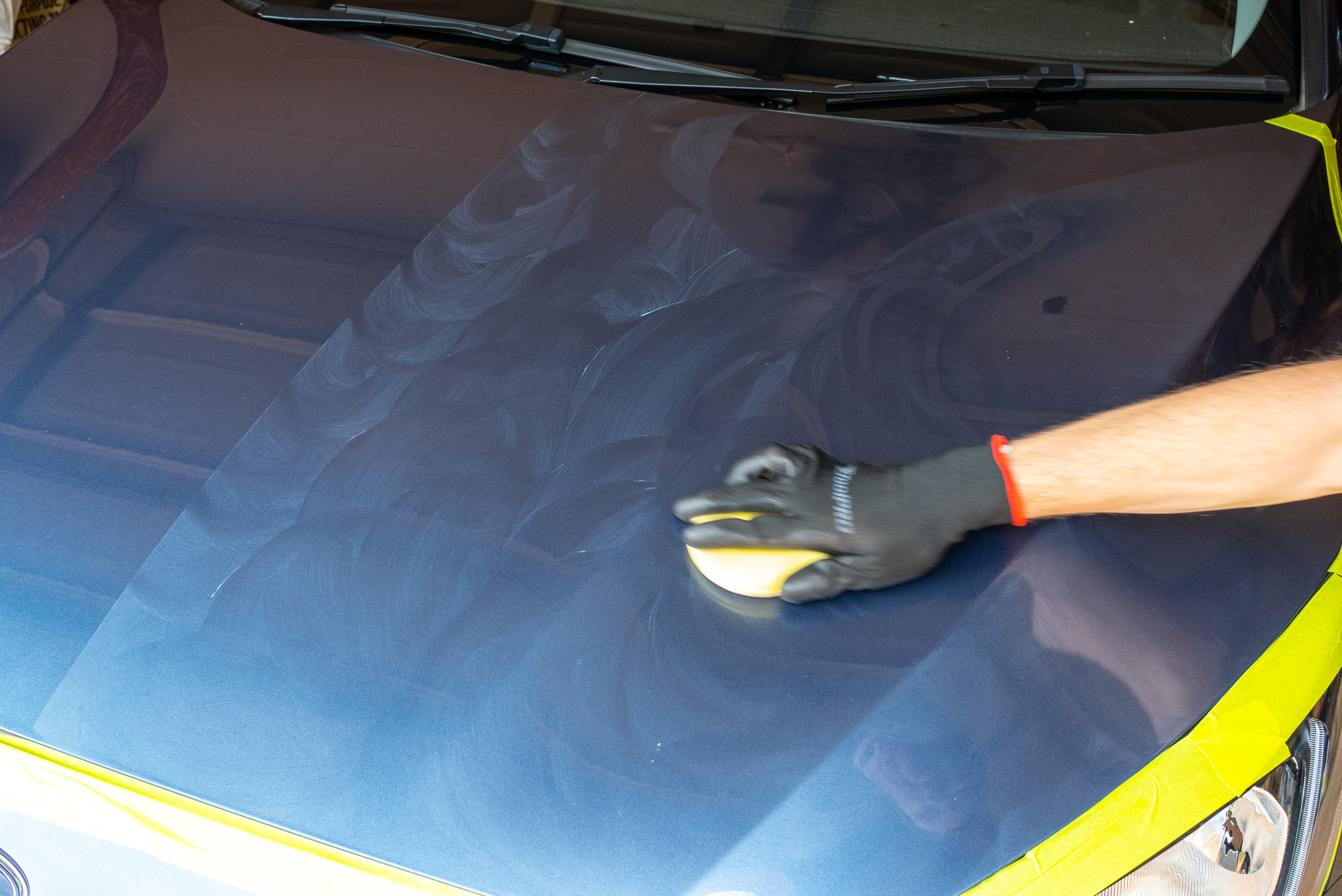
Pick a panel to start and mask off surrounding panels and any plastic, rubber, glass, or unpainted areas. Polishing can be done by hand or machine. Apply a few dabs of polish to your buffing pad, and using a circular motion - apply the polish one panel at a time.
This will take moderate pressure and certainly give your arm a good work out!
Buff the haze away with a clean microfibre towel and make your way around the vehicle like this until you’ve covered every painted surface.
Wax vs ceramic and how to apply them
This step will create a protective barrier between your paint and the elements, meaning the whole clay and polish ritual can take place less often.
You can use spray wax or ceramic detailer for this step. See the Deep Clean article to learn more about each product.
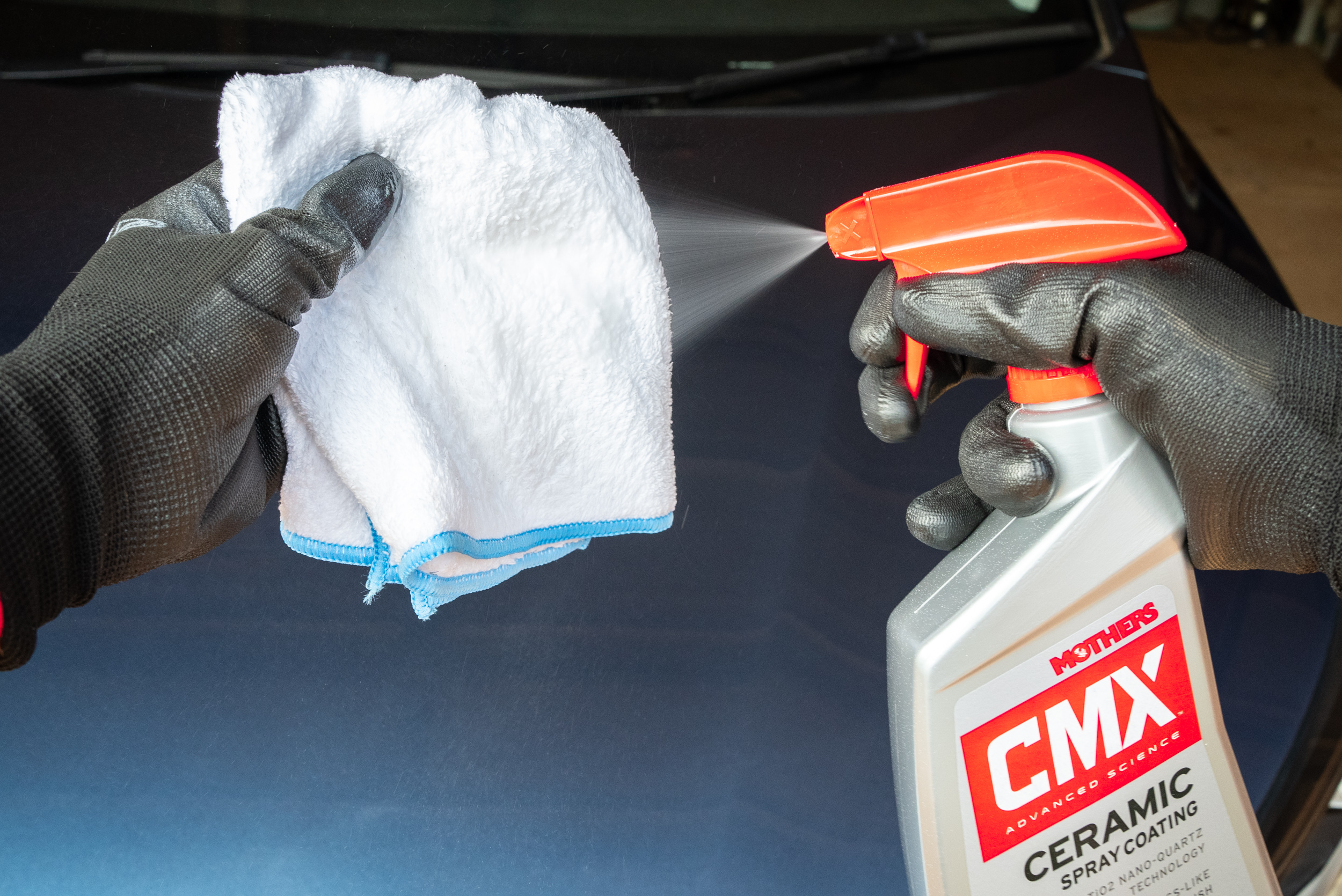
The method for applying either of them is virtually the same. Spray the product onto a microfibre towel and allow a few minutes for it to dry. Then buff it away with a separate microfibre towel. Some products work a little differently and can be applied directly to the panel, even when the panel is wet, so ensure you check the instructions on the back of the bottle.
How to add shine to your trim and tyres
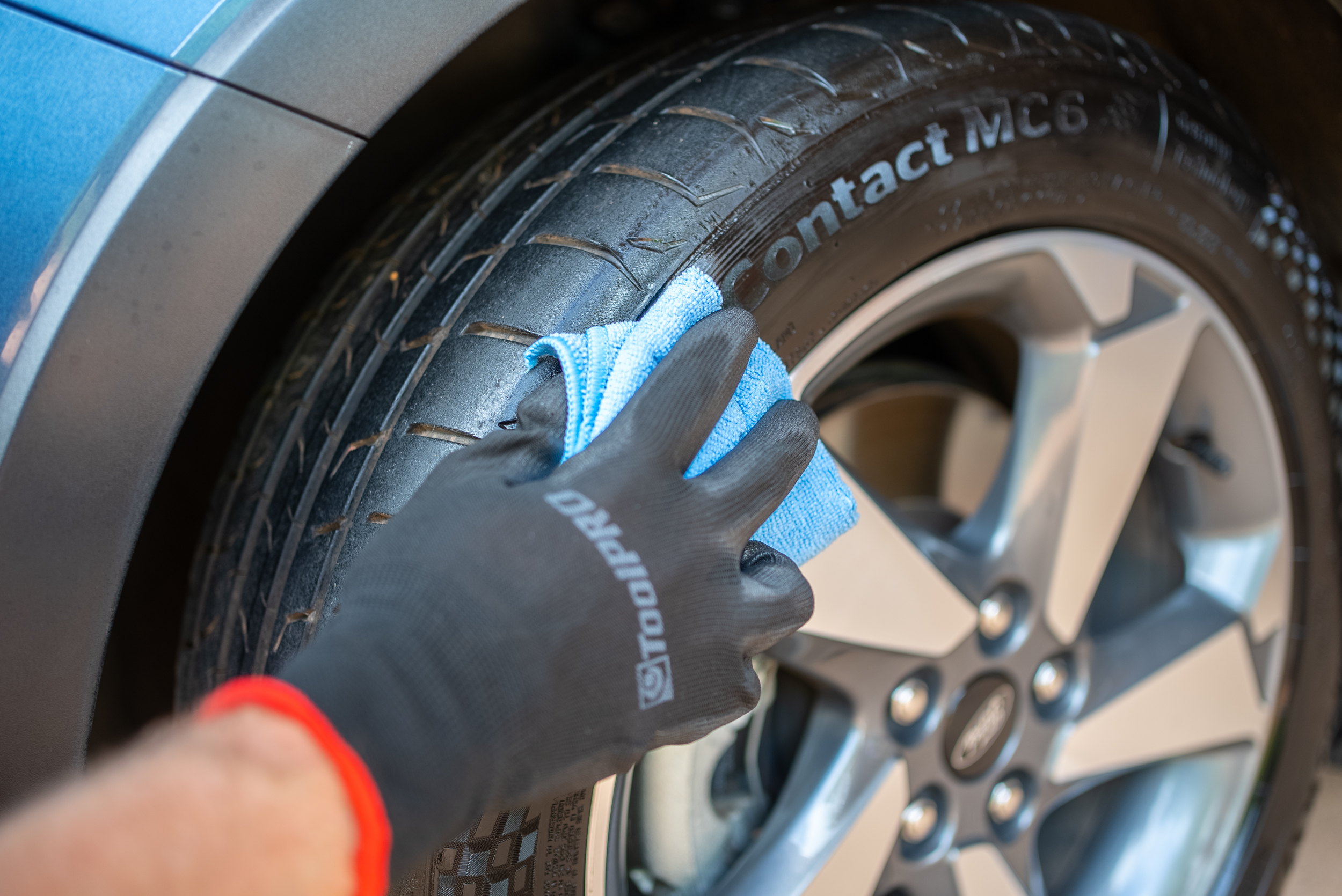
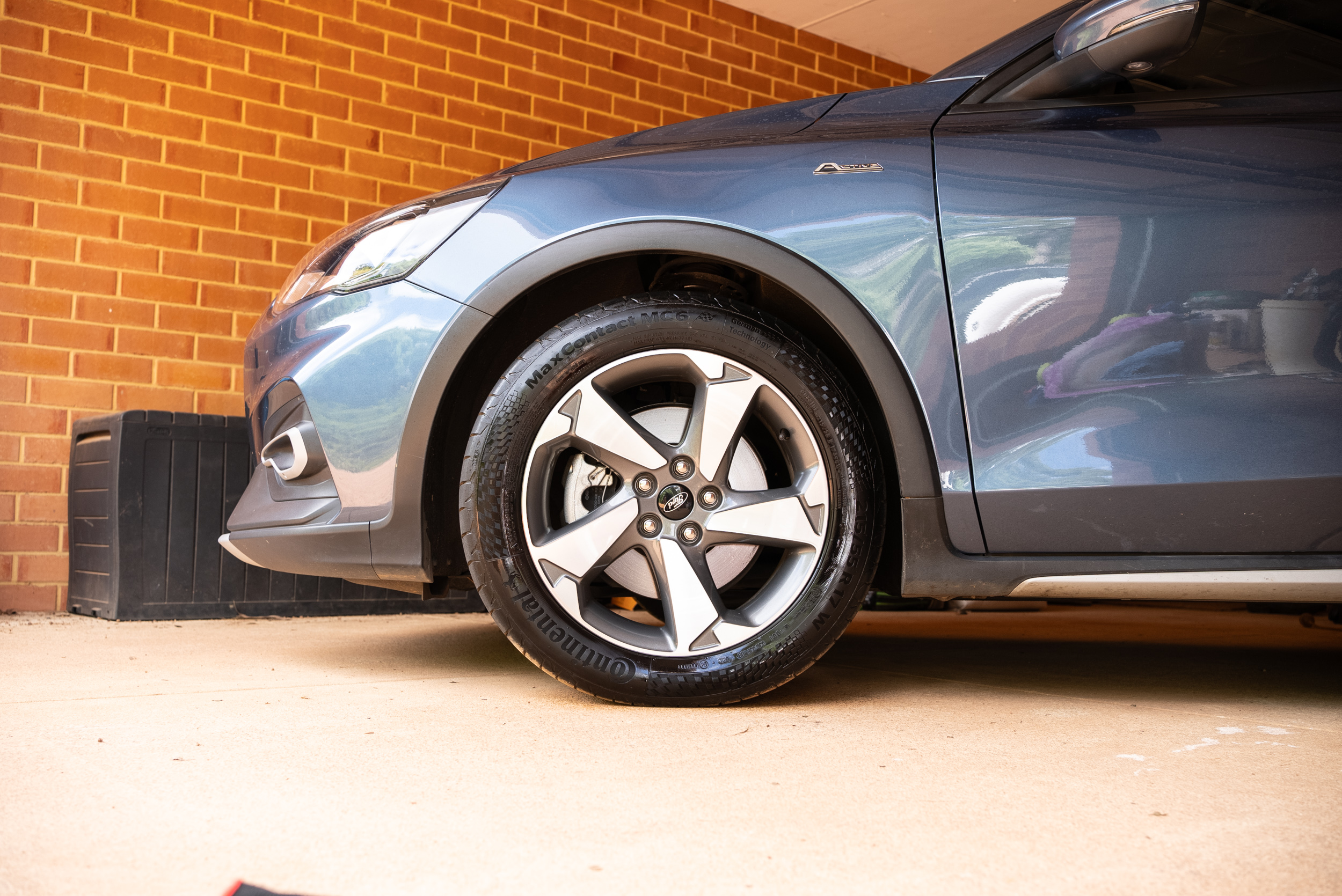
Any bare plastic and rubber trim will benefit from a coat of trim dressing to preserve and restore that deep black shine.
As for tyre shine, this will protect your tyres from damage caused by UV light, so it’s well worth using. Plus it makes your tyres look SUPER. Apply it with an applicator if you purchased a gel product; otherwise spray it directly onto the tyre being careful to avoid the tread.
How to clean and care for your windscreen and glass
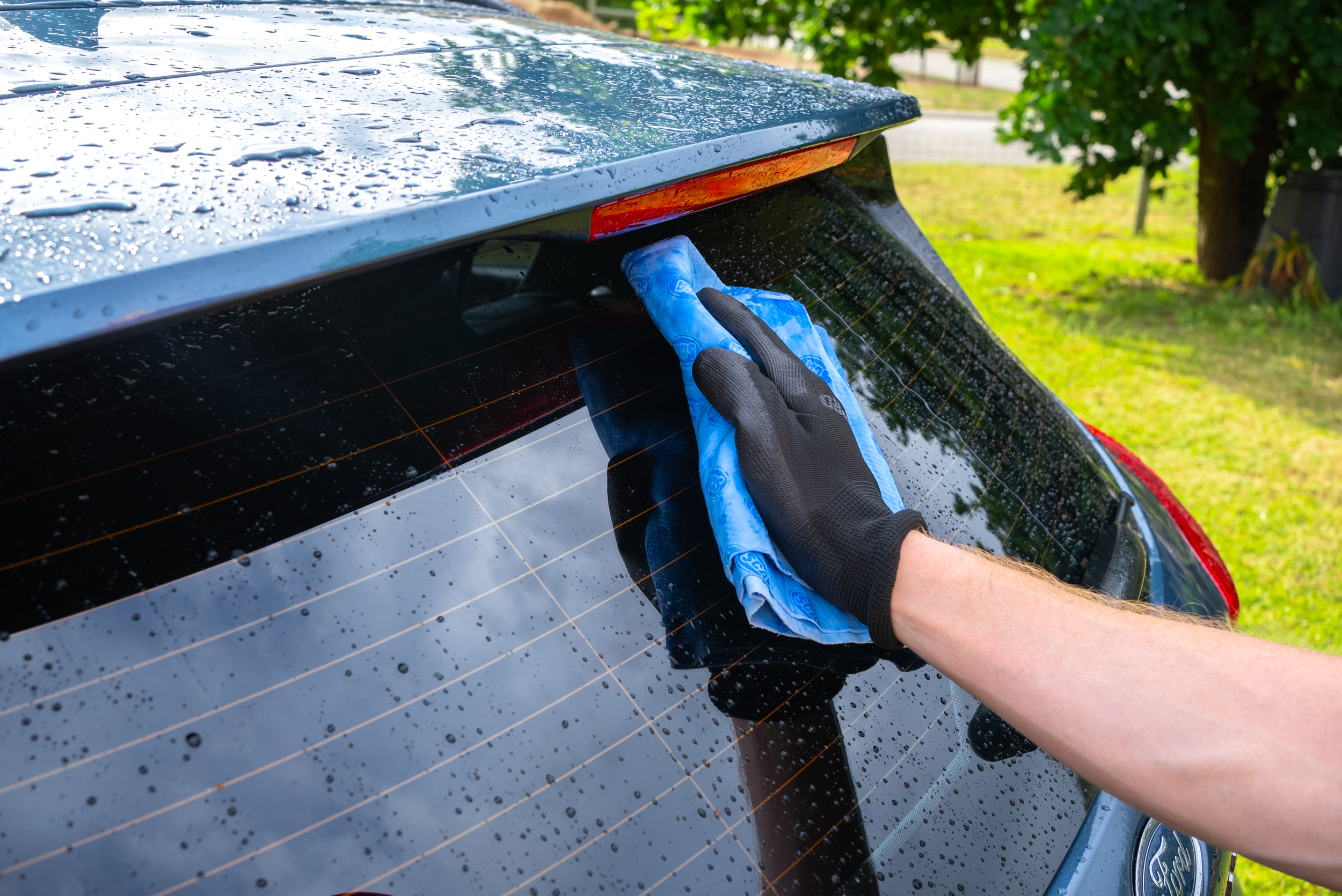
It’s inevitable that some overspray and mess will get on your glass during the wax or ceramic spray application, and a bit of glass cleaner will get that right off. This also prepares the glass for the application of glass treatment. Spray a little of this onto a microfibre cloth, spread it evenly over all your exterior glass, then wipe away the excess with a fresh towel. That will repel water and lessen contaminants bonding to your glass
The ULTIMATE interior clean
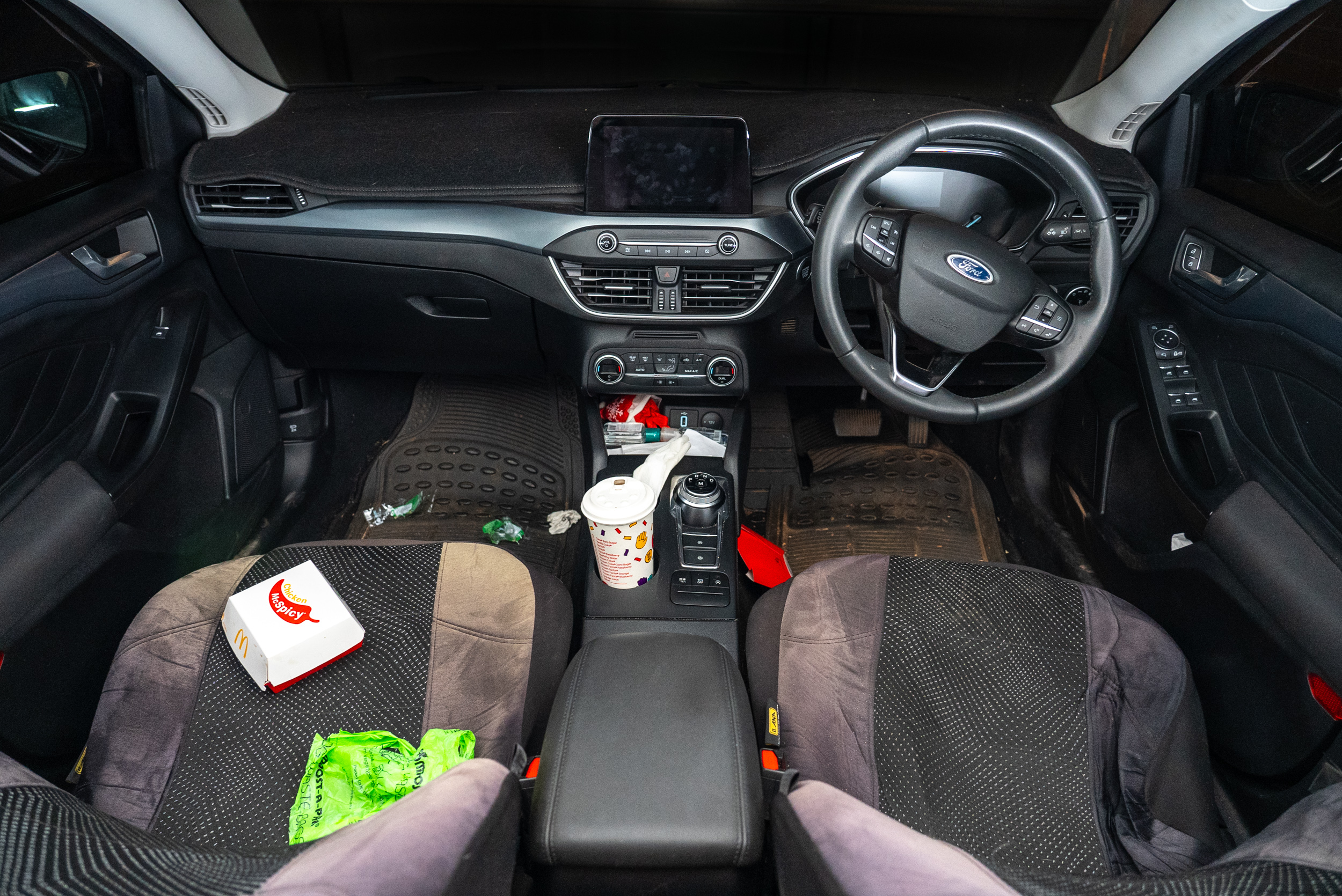
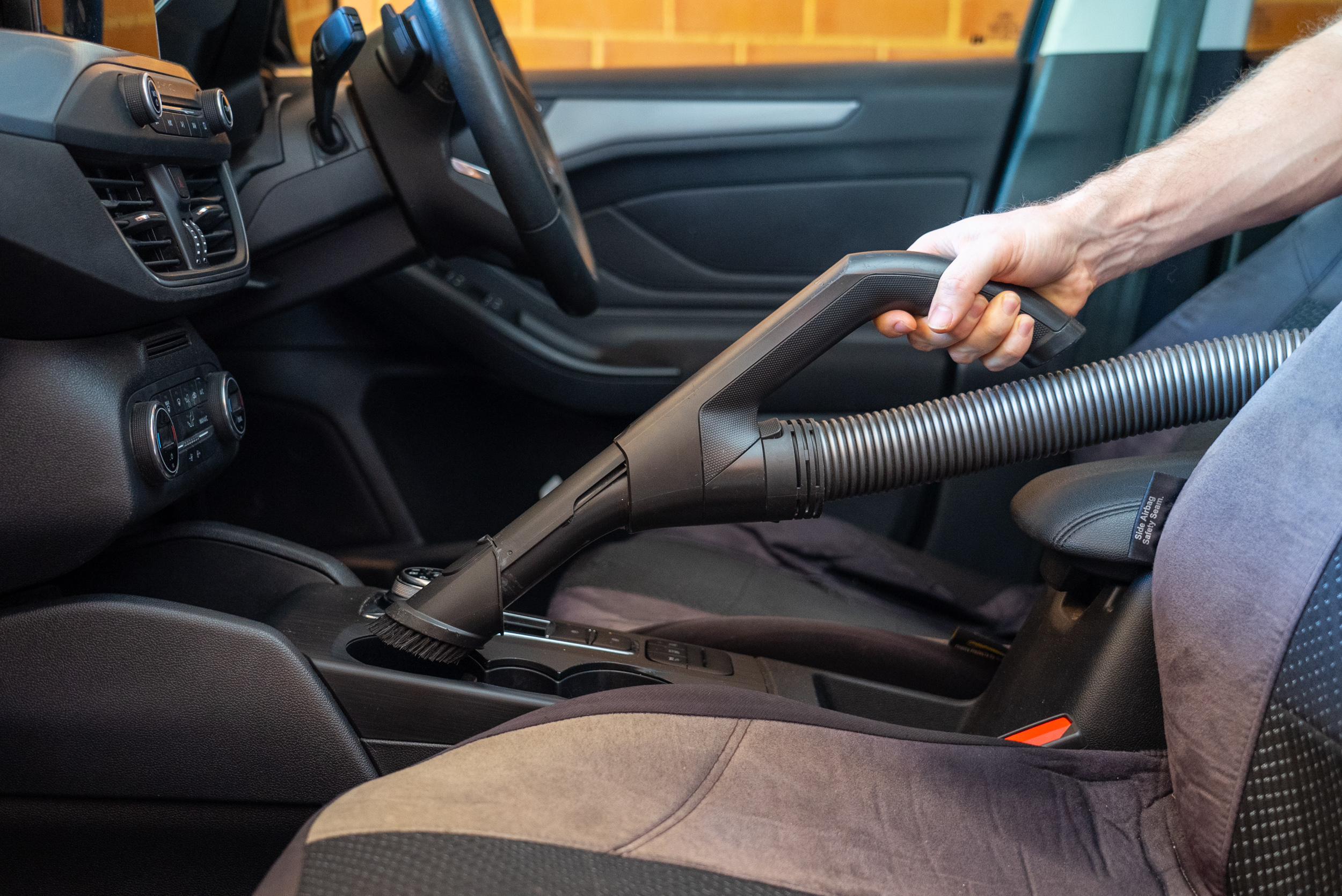
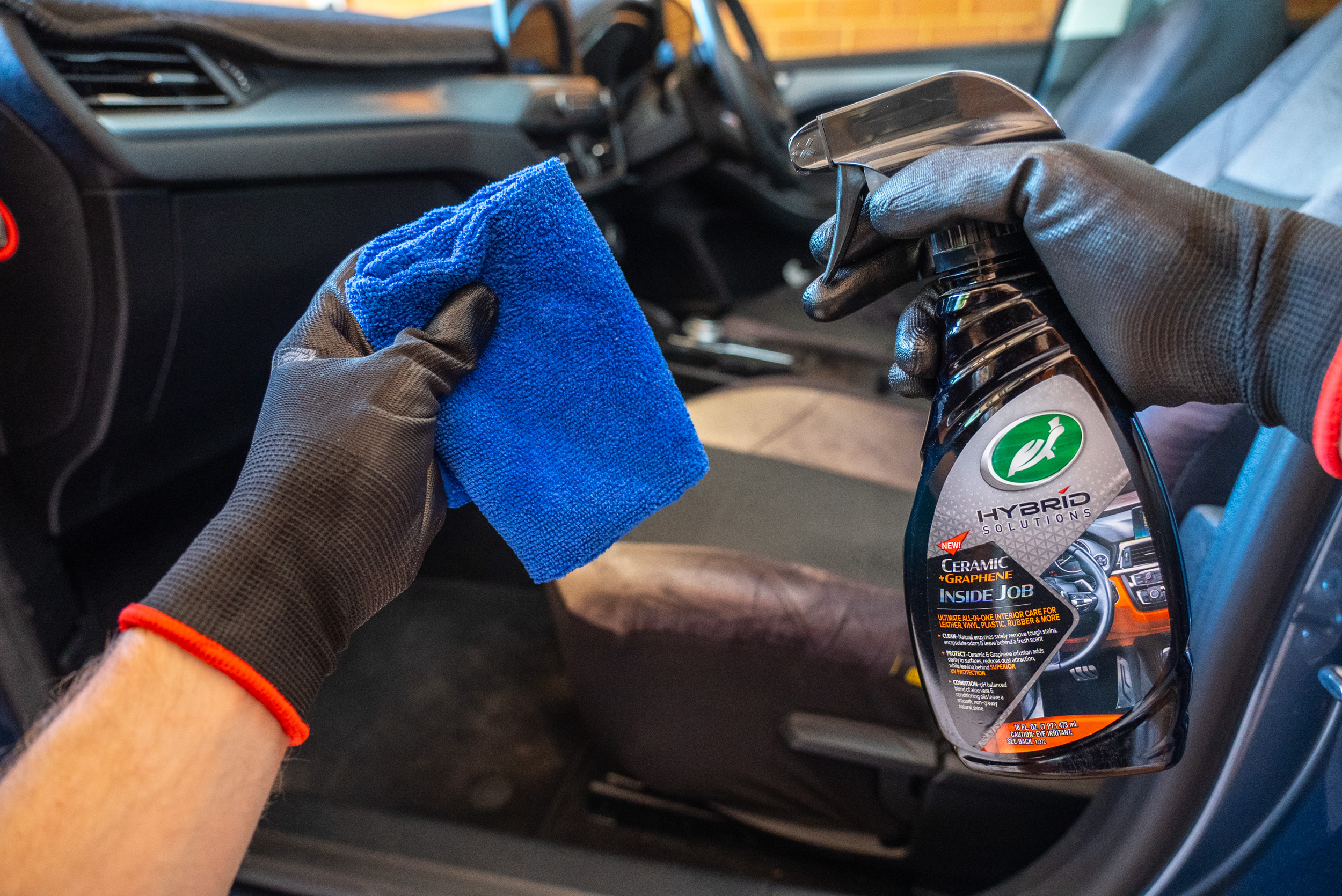
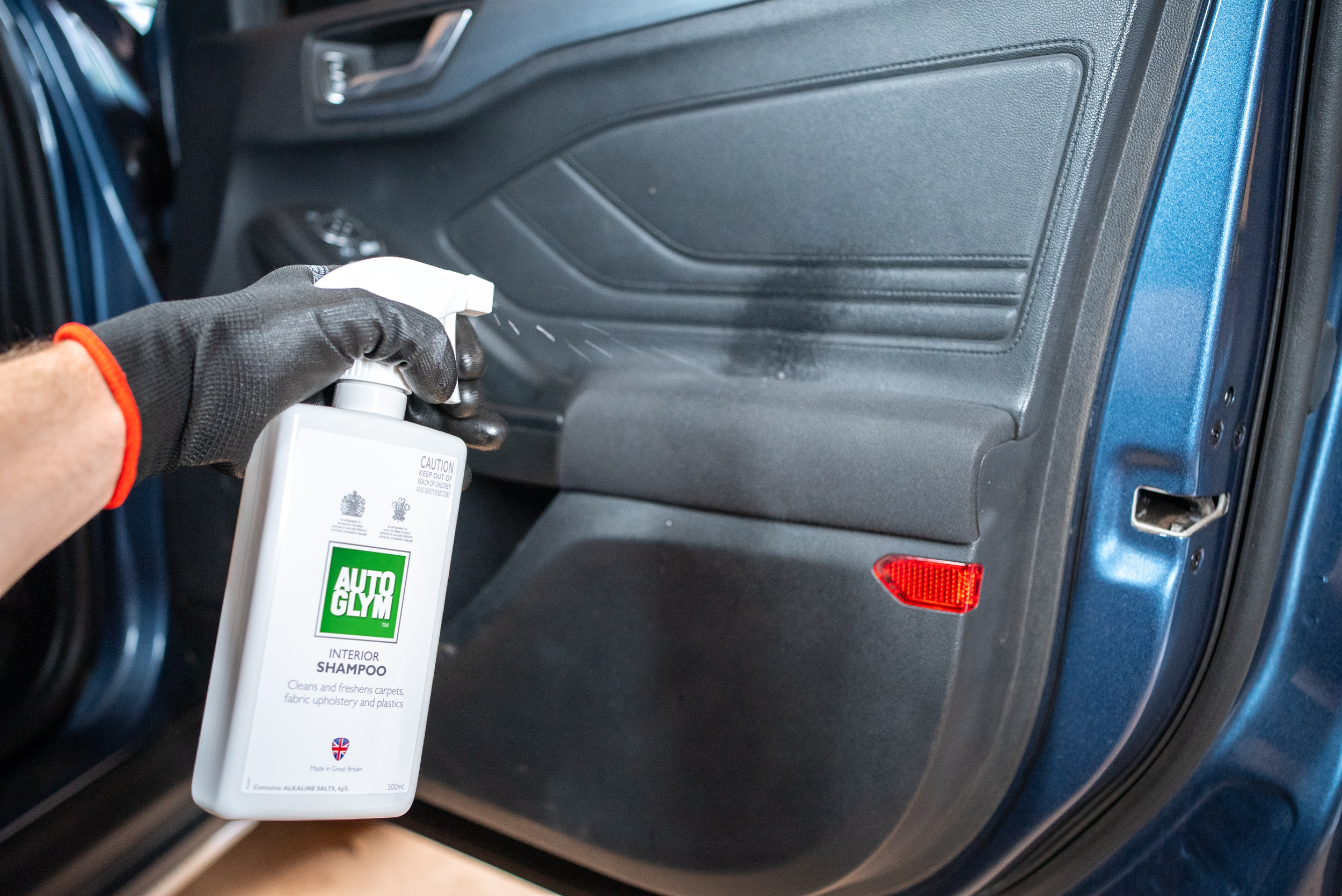
This starts with a simple vacuum and removal of any rubbish or items that don’t have a home in your car. Once all the loose dirt is gone, you can move onto embedded dirt and stains with a cleaning and protectant spray. Soak a new microfibre towel in this and wipe over any plastic or vinyl surfaces, using a bit of elbow grease to free up stains where necessary. Avoid using this on any control surfaces such as gear levers, steering wheel, handbrake and pedals. For tight and tricky areas, you can spray some on a detailing brush to get in deep.
When it comes to dirty and stained upholstery; you’d better go back and read our Deep Clean article which covers the topic in depth. But what we haven’t yet covered is leather.
How to clean leather car seats
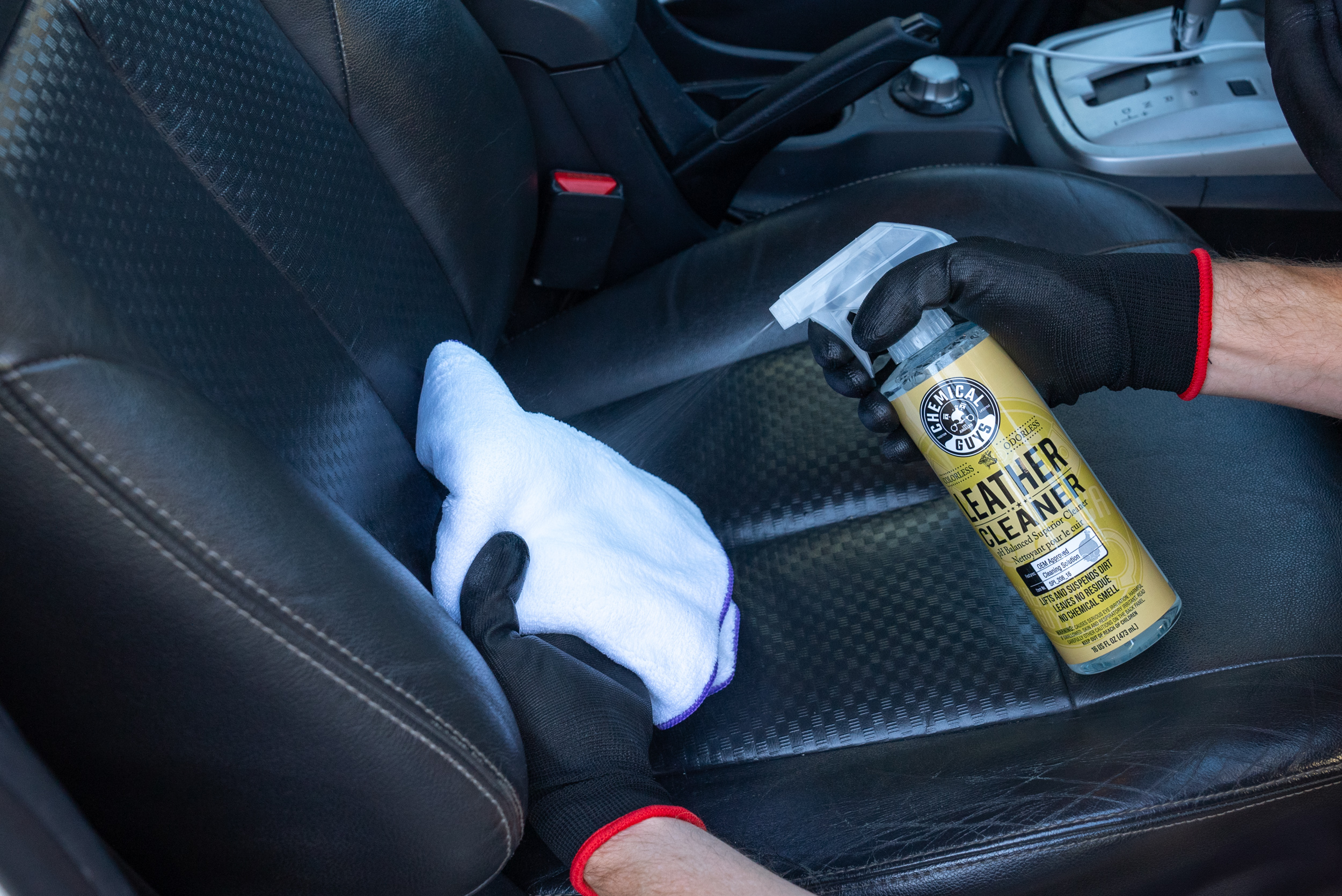
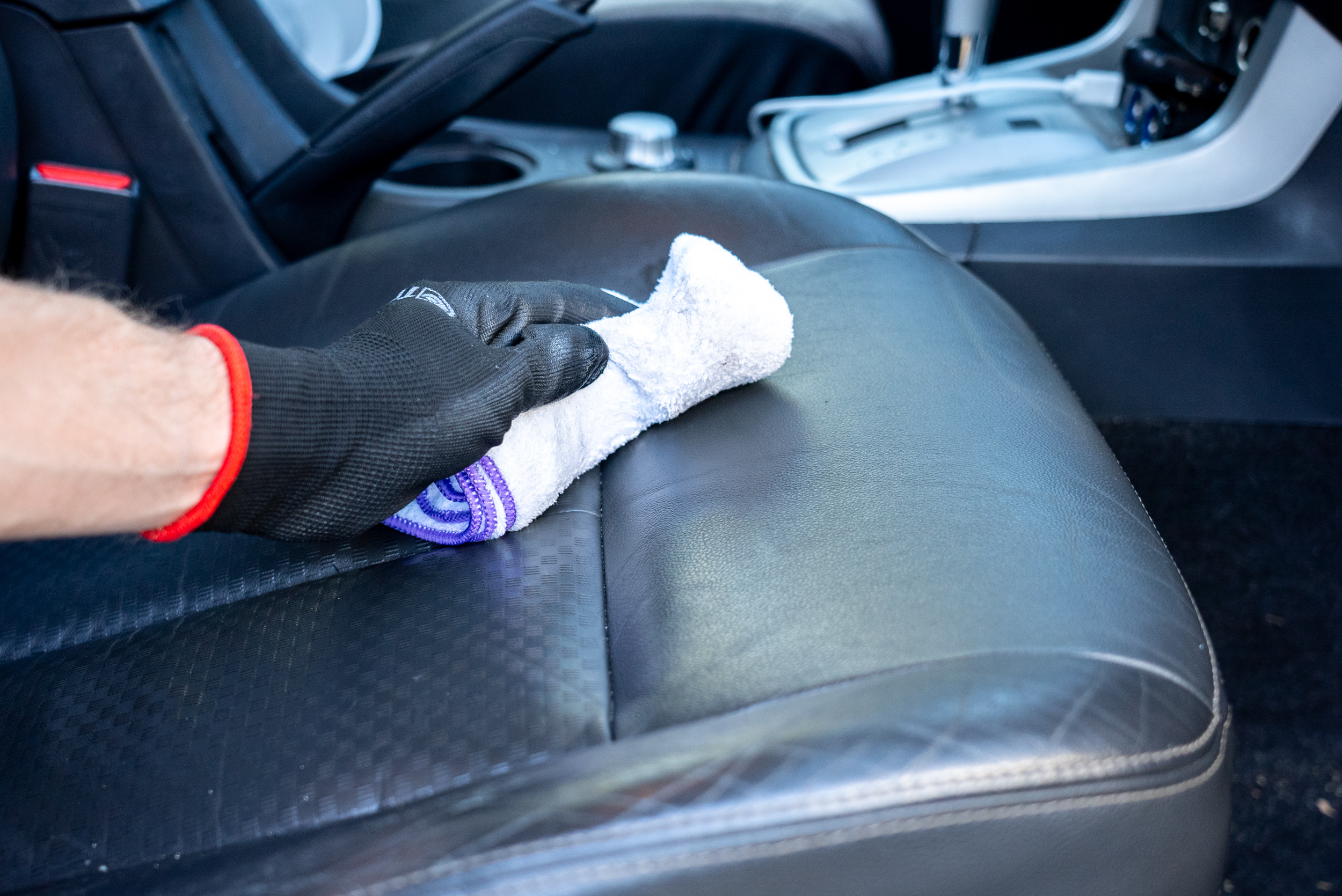
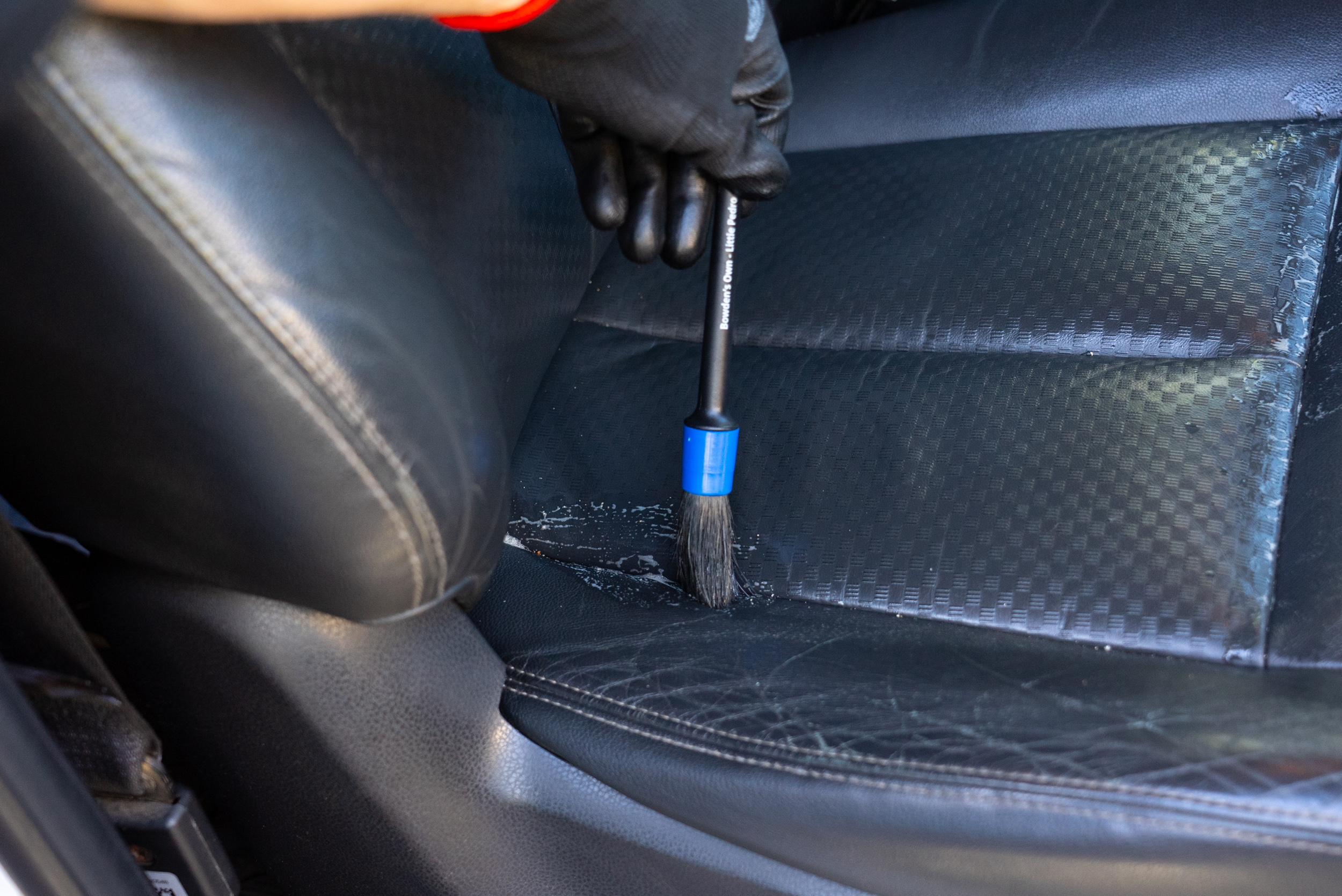
We’re not just talking seats really, but any leather surface. This is usually a one or two step process involving a leather cleaner, followed by a conditioner or protectant. A one step leather cleaner can simply be sprayed onto a microfibre towel and wiped over the surface, but a detailing brush is also SUPER handy for deep cleaning the gaps, stitching, and perforations.
This will see your leather surfaces lightly cleaned and keep them supple.
Tips
Can car detailing fix paint chips?
No. Car detailing will make no difference to paint chips. To repair paint chips, you’ll need to apply touch up paint, preferably a few days before having your car detailed. You can see our full guide on repairing paint chips HERE.
Can car detailing remove scratches?
Yes! Car detailing can remove scratches! However, it depends on the scratch. Extremely light scratching and swirl marks can be removed by polishing, which is step 4 in this guide. For deeper scratching, your chance is to check out our Remove Car Scratches & Swirls article for further instructions.
Now it’s time to close the door on car care and carry on making it super with our huge selection of DIY guides.
*Important information* - Click here to read more about our DIY Advice Terms and Conditions.