

Deals
Garage
Select Your Car
Μy Account
Sign in
Sign-in / Join
Club Login
Membership made SUPER
Store Details
Why choose our roof racks?
Expand Your Storage
Free up interior space, increase comfort inside your vehicle and easily carry oversize items with our range of roof rack storage solutions.
Easily Removable and
Quiet Design
For a lot of people roof racks aren’t used as an everyday accessory. Yakima and Rola systems are designed to be easily removed and reinstalled once set up. New bar designs however offer much quieter operation even at highway speeds, allowing the bars to be installed at all times.
In-Store Services
Supercheap Auto offers affordable and fast roof rack fitment and installation services at most stores. Check out our Services page or ask a team member in store for more information.
Price Beat Guarantee
If you find a cheaper price online or in-store for an identical or comparable product, we'll beat it! Simply show the lower price, including any freight or other charges, to one of our Team in-store and we’ll beat it. To view our full terms & conditions policy click here.

Roof Rack Buying Guide
So, you’re thinking about adding a roof rack? You’re in the right place. This guide covers the basics to help you get started with roof racks - what they are, which vehicles can use them, how they work, how much weight you can carry, what’s involved with installation, different roof rack types, how to choose the right setup for your needs and popular brands in market. No matter what you drive or what you need to carry, this roof rack buying guide will load you up with handy info to know.
What is a Roof Rack?
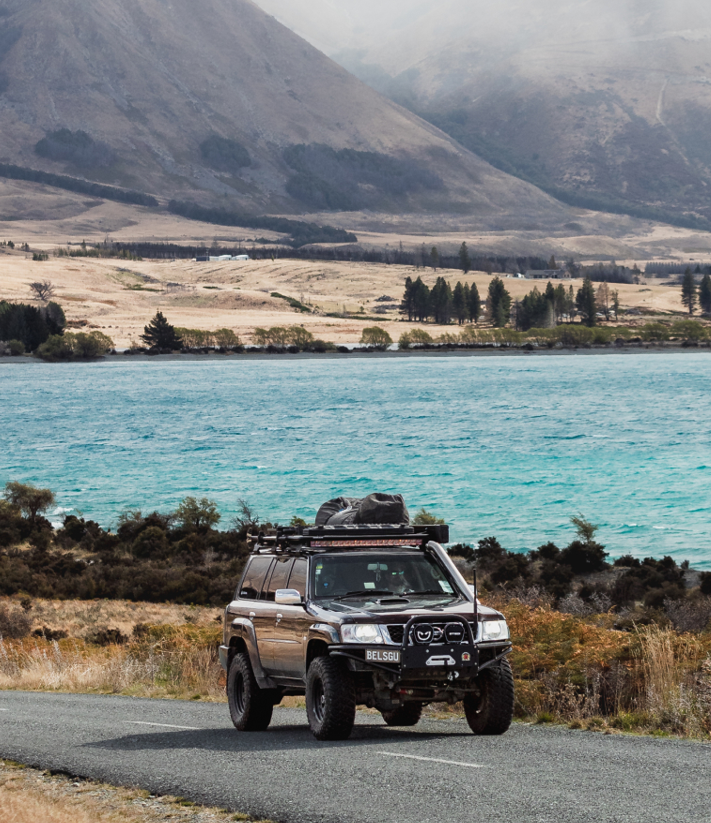
A roof rack is the term loosely applied to any system fitted to the roof of a vehicle designed to carry cargo and/or mount accessories. In simple terms, it’s a way to safely transport gear outside the cabin and make better use of the space your vehicle already has. Many people install a roof rack to carry items that are too large, too dirty, or simply not practical to keep inside the vehicle. It’s also a great way to expand your vehicle’s carrying capacity when the boot or tray just isn’t enough.
For tradies, roof racks are commonly used to carry timber, ladders, pipes, and other long materials that won’t fit inside their vehicle.
For 4WDers, they’re a convenient place to mount accessories like awnings, rooftop tents, light bars, or to store muddy recovery tracks and a shovel after a day on the tracks - or you can carry items like jerry cans or gas bottles that you wouldn’t want inside the cabin.
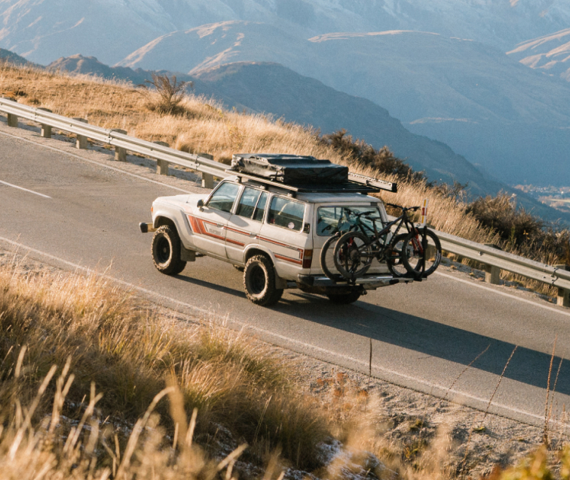
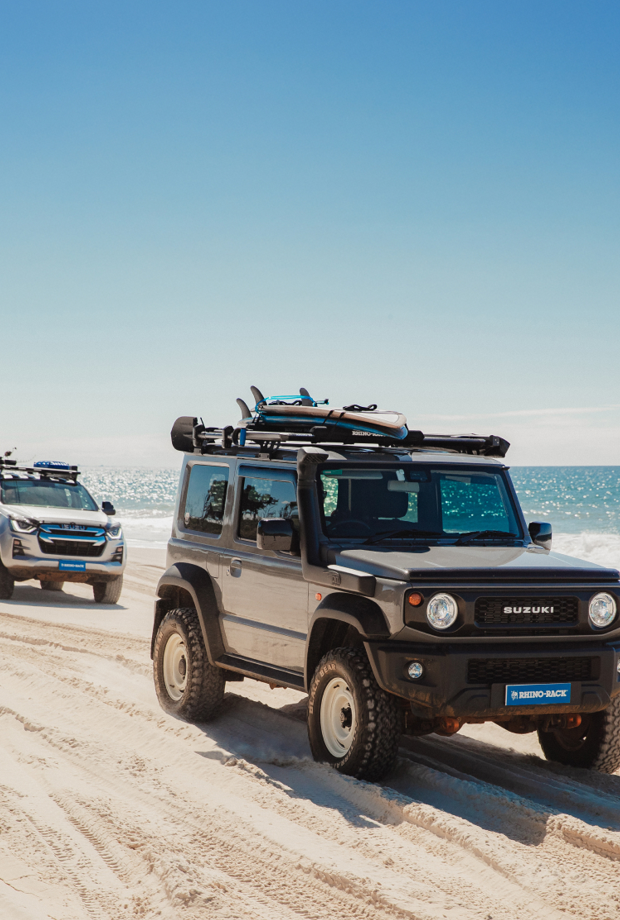
Even your daily driver or family car can be equipped for adventure with accessories to carry bikes, kayaks, fishing rods, surfboards, and luggage pods - perfect for weekends away or family holidays.
Vehicles That Can Support Roof Racks
Most everyday vehicles can handle a roof rack with the right setup, including:
- Hatchbacks and sedans
- SUVs and wagons
- Utes and pickup trucks
- Vans and commercial vehicles
- Many electric vehicles
Vehicles That Cannot Support Roof Racks
A few vehicles that aren’t so lucky:
- Convertibles
- Select Electric Vehicles
- Some Glass, panoramic, or 'moon roof' vehicles
-
Most High End Sports Cars
(hey, you never know who might be reading)
But most of the time, it’s not the type of vehicle that decides if a roof rack will fit - it’s the roof itself. So, let’s break down the most common roof types and how they work with roof racks.
Roof Types Compatible With Roof Racks
Most vehicles fall into one of five common roof types - each designed to work with a specific style of roof rack mounting. When you check your vehicle, you’ll usually see one of these:
Raised Rails
Rails that run front-to-back and sit slightly above the roof surface. These are very common on SUVs and wagons, and are one of the easiest roof types to fit with roof racks
Flushed Rails
Similar to raised rails, but mounted directly against the roof with no gap underneath. These are also common on modern SUVs and passenger vehicles and can support roof rack systems designed specifically for them
Fixed Mounting Point
Many vehicles have factory mounting points built into the roof. These are quite common on newer 4WDs and utes, and they’re often hidden under black rubber strips or plastic covers running front to back along the roof
Roof Gutters
Common on older 4WDs, vans, and some utes. These are the external channels running along the edge of the roof where specialised gutter-mount roof racks can attach
Bare or Naked Roof
A roof with no visible rails, gutters, or mounting points. Seeing a bare roof doesn’t always mean a roof rack is off the cards though!
Knowing your roof type is the first step to picking the right roof rack system. It tells you how the rack will mount to your vehicle, so your gear sits safe and secure. Once you’ve got that sorted, you’re ready to dive into the different parts of a roof rack system and how they all work together.
How Do Roof Rack Systems Work ?
Roof racks aren’t a one-size-fits-all accessory you grab off the shelf and hope for the best. They’re a properly designed system made up of matched parts, built to suit specific vehicles.
Every vehicle roof type is engineered differently, which means the roof rack system needs to suit that exact design. When the system is matched correctly, the weight of your gear is supported the way the vehicle manufacturer intended -not just clamped on as a rough fit.
Getting this right makes a big difference. It affects how safely you can carry a load, how much weight your roof can handle, and how much wind noise you’ll hear on the highway. A well-matched roof rack will sit neat, feel solid, and stay quiet - so you can focus on the job, trip, or adventure ahead.
Three main parts of a roof rack system
A roof rack system is made up of three key parts, each playing a role to keep your gear safe and secure:
Roof Bars
These run across your roof and carry the load. You can also attach accessories like roof baskets, roof platforms or awnings to them.
Legs
These connect the roof bars to your vehicle and determine how the rack mounts to your roof. Different roof types need different styles of legs.
Fitting Kits
This is a vehicle-specific kit that works with the legs, making sure your roof rack sits snug and secure.

Handy tip: Most roof bars will typically fit a wide range of vehicles, and the legs that come with them are often universal - though it’s always best to double check for your specific vehicle.
If you’re not sure which bars, legs or fitting kit to choose, our team at your local Supercheap Auto store can help you pick the right setup. Or for a quick online option, simply enter your car rego into ‘My Garage’ on our website to see products that are compatible with your specific vehicle.
How much weight can I put on my roof rack?
The amount of weight your roof rack can safely carry mostly depends on what your vehicle manufacturer allows. You’ll usually find this limit listed in your owner’s manual. Here’s a quick guide for the common terms you might see:
Dynamic Load Rating
The maximum weight your roof can carry while the vehicle is moving.
Static Load Rating
The maximum weight your roof can carry while the vehicle is parked - This rating is usually higher than the dynamic load rating
Off-Road Rating
The maximum weight your roof can carry when driving off-road - This is often lower due to extra movement and vibration on rough terrain
If your manual only lists a single figure, it usually refers to the dynamic load rating. Your roof rack will also have its own weight limit, and don’t forget - the rack weight itself adds to the total load.
To stay within safe limits, always use the lowest weight rating in the entire setup. This includes the vehicle roof, roof rack, mounting system, and any accessories. For example, even if your roof rack is rated to 150kg, the system can only safely carry 120kg if the mounting brackets are rated to 120kg.
You also need to subtract the weight of the rack and any accessories from your vehicle’s roof load limit. For example:
- Vehicle roof load rating = 80kg
- Roof rack system = 15kg
- Awning = 10kg
- Remaining available load for gear = 55kg
Don’t forget to count everything mounted on the roof in your total weight, including accessories like awnings, rooftop tents, recovery boards, bike carriers and storage boxes.
If you’re driving off-road, you should reduce your load further to account for the extra stress on the roof and mounting system. Driving off-road or on uneven terrain places significantly higher strain on the roof, so loads should be kept well below your normal limit for safety.
Staying within safe load limits isn’t just smart, it helps keep your vehicle safe, legal and roadworthy, whilst helping to protect your passengers, other drivers on the road, and your vehicle from damage
Whats Involved in Installing A Roof Rack?
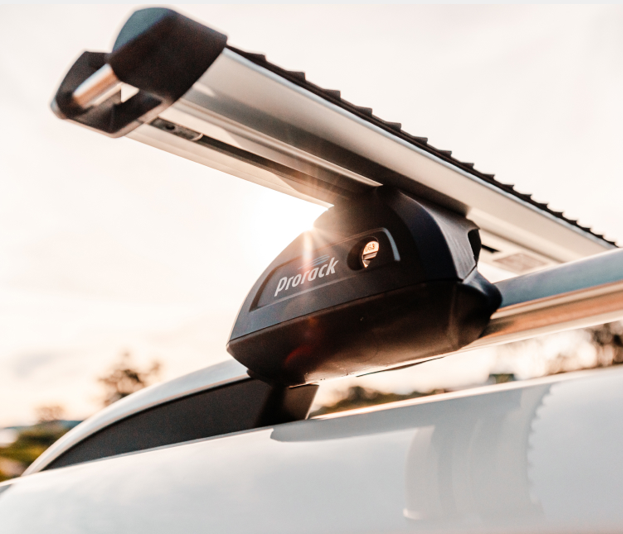
Getting a roof rack on your vehicle doesn’t have to be a headache - the key is having the right vehicle-specific fitting kit. Take a few minutes to read the fitting kit instructions carefully before you start, following them step by step will make installation less of a hassle. It takes the guesswork out of the process and ensures the bars and legs sit perfectly on your factory mounting points.
For most setups, installation can be straightforward - You simply bolt or clamp everything into place, and once it’s fitted, you can remove and refit it whenever you need extra carrying space. That said, a small number of racks do require drilling into the roof. If that’s the case for your setup, it’s worth leaving it to a professional unless you’re confident on the tools - better safe than sorry.
If you’d rather skip the DIY (or aren’t in the mood, or just don’t have the time), select Supercheap Auto stores across Australia can fit your set of roof racks for you. You can call ahead to book a fitment, or order your full roof rack kit online and schedule the installation at the same time. Just keep in mind that stores can only complete non-invasive installations, so anything that requires cutting, drilling or modifying the vehicle can’t be fitted in store.
A few simple checks that can make all the difference: stick to the weight limits for both your vehicle and rack, spread heavier items evenly across the bars, and make sure all bolts and clamps are tight and secure. Don’t forget about height clearance - garages or tree branches can sneak up on you.
For a more detailed walkthrough, check out our DIY video on
how to install roof racks.
Follow these steps and you’ll have a roof rack that’s safe, solid, and ready for all your adventures.
Different Types Of Roof Racks And Accessories
Most roof rack setups start with a set of cross bars - the base for carrying everything from bikes and kayaks to ladders, timber, and roof rack accessories. From there, you can mix and match different gear depending on what you need to carry. Here’s a quick guide to some common options:
Cross bars
The starting point for most roof rack setups. These mount to your roof using a vehicle-specific
fitting kit and provide the base for carrying gear or attaching accessories like awnings, bike
carriers, or roof baskets.
Heavy-duty bars
Built tough for off-road adventures and tradie work, these can handle bigger loads (around 100kg
per pair, but depends on your roof rating).
Aerodynamic bars
Sleeker and quieter, perfect for everyday use. Most come with leg kits included, so you’re ready
to fit straight away.
Awnings
Great for camping and outdoor adventures, these mount to your cross bars and give you instant shade. Simple to deploy and adds heaps of flexibility to your setup.
Backbones
Run front to back for extra strength and stability for heavy or awkward loads like timber or kayaks, and can serve as fixed mounts for roof trays on most vehicles.
Bike Carriers
Clip onto cross bars or roof platforms to carry one or multiple bikes safely. Quick to fit and remove, perfect for weekend rides or longer trips.
Roof Baskets
An affordable option that sits on your cross bars. Handy for general cargo, though not quite as sleek as a roof platform.
Roof Platforms
Perfect for carrying smaller items, camping gear, or a gas bottle. They can sit on top of cross bars, or in some cases attach directly to a fitting kit.
Roof Pods
Lockable, weather-protected storage that attaches to cross bars. Great for keeping gear dry and secure on rainy trips or dusty adventures.
Roof Trays
A flat, open tray that sits on your cross bars or fitting kit. Perfect for hauling bulky gear, trade tools, or camping gear, and easy to tie down just about anything.
One of the best things about roof racks is how flexible and modular they are, meaning you don’t need to commit to a single setup. You can mix and match cross bars with roof platforms, baskets, trays, pods, bike carriers, awnings, and more depending on your adventure.
Just remember - the heavier and bulkier the load, the more it can affect wind noise, fuel economy, and vehicle handling. And while it might be tempting to load it up for the ultimate trip, always double check your vehicle and roof rack load ratings before you hit the road.

Choosing The Right Roof Rack For Your Needs
Picking the right roof rack doesn’t have to be complicated - it’s all about matching your gear to your vehicle and lifestyle. Your selection process should typically look something like this:
1
Decide what you’ll be carrying
Are you mounting an awning, hauling a kayak, or moving timber? For lighter or simpler loads, basic crossbars might be all you need
2
Check your roof load capacity
Make sure your vehicle can handle the extra weight. Your owner’s manual will tell you the roof’s rating - safety first!
3
Think about accessories
Will you need bike racks, kayak carriers, awning brackets, a basket, platform, or roof pod? Knowing this upfront will guide your setup
4
Factor in your budget
Decide how much you want to spend, keeping in mind that a higher investment can give you more load capacity, versatility, and durability over the years
5
Consider installation
Some racks are simple DIY jobs, while others (especially drilled mounts) are best done by a professional, so think about how often you’ll install or remove it
6
Check roof compatibility
Raised rails, flush rails, gutters, bare roofs - not every rack fits every roof, so make sure your choice works with your vehicle’s roof design
7
Everyday usability
Racks change how your vehicle drives and fits in tight spaces - Consider wind noise, fuel consumption, garage clearance, and ruggedness
8
Plan for the future
Some racks let you add accessories later - bike racks, kayak carriers, luggage pods, so think ahead to save time and money down the track
9
Choose a trusted brand
Pick a brand that matches your needs, offers compatible accessories, and has a good reputation for quality and warranty coverage
Take your time, plan for your needs, and choose wisely - With the right setup, you’ll have the flexibility to carry everything you need, whether it’s for work, an adventure, or a weekend getaway.
How Much Do Roof Racks Cost?
The cost of a roof rack can vary quite a bit depending on your vehicle, roof type, and the setup you need, but here’s a few high-level ranges to give you a ballpark idea of what you might expect to see.
At the entry level, you’ll find soft racks starting around $200, which can be a handy short-term solution for carrying surfboards or other lightweight gear. They’re easy to fit and remove, making them convenient if you only need a roof rack occasionally.
Stepping up a level, crossbar roof rack systems can typically range from $350 to $950, depending on your vehicle and roof type. For example, a roof rack setup with three cross bars for a Toyota Landcruiser will typically set you back around $920, give or take. This is the level where you start to get serious: higher load capacity, semi-permanent fitting (you can remove them if you want, but you don’t have to), and compatibility with a range of accessories - like bike mounts or kayak carriers.
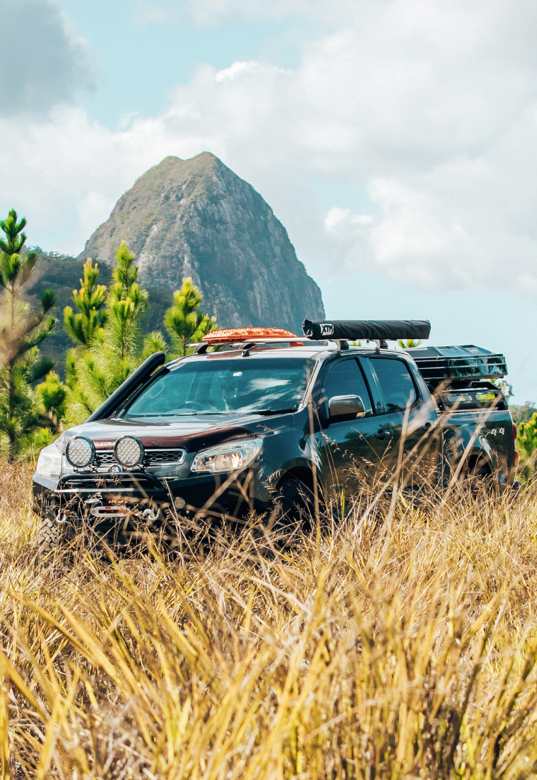
At the premium end - particularly with platform-style roof rack systems - prices can climb past $1,000. These setups create a large, flat cargo platform across the roof, making them popular with 4WD owners who want to mount accessories like awnings, rooftop tents, recovery boards, and light bars, or carry bulky gear like swags. Compared to traditional crossbars, platform racks usually offer higher load ratings, a sleeker low-profile design, and a more extensive range of accessory options.
Popular And Trusted Roof Racks Brand
No matter what you need to carry or what your budget looks like, there’s probably a roof rack that will fit the bill. There are plenty of trusted roof rack brands available in the market, including:

Rhino Rack
An Aussie favourite, Rhino Rack is all about tough, adventure-ready roof systems. Their Pioneer platform is a standout for modular setups, making it a hit with 4WD touring enthusiasts, tradies, or anyone needing a roof rack that can handle serious gear.

Yakima
Yakima is known for clever, easy-to-use roof racks. Their LockNLoad platform makes swapping, adding, or removing accessories a breeze, which is perfect for cyclists, paddlers, and outdoor adventurers who like to change their setup.

Rola
Rola strikes a balance between durability, practicality, and value. Their roof racks are reliable for daily hauling and weekend adventures, making them a solid choice for tradies, families, or anyone needing a dependable rack without breaking the bank.

Front Runner
Hailing from South Africa, Front Runner is built for serious off-road action. Their Slimline II platform is especially popular amongst off-roaders, overlanders and anyone else who needs a roof rack that can take a beating.

Thule
Swedish brand Thule is known for premium roof racks, boasting a sleek design and a huge range of accessories. Thule racks are perfect for cyclists, skiers, paddlers, and anyone who wants a stylish, high-quality solution for everyday adventures.
Choosing a quality roof rack brand means you can rely on a setup designed to carry your gear safely and securely. With options ranging from simple, practical systems to much more advanced setups, you can choose the level of features and capabilities that best suit your needs.