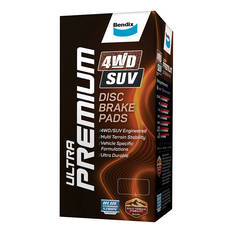
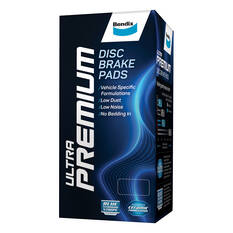
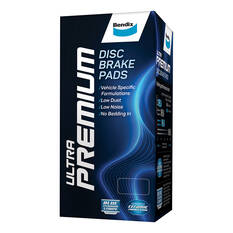
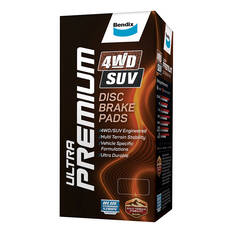
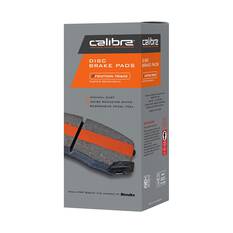
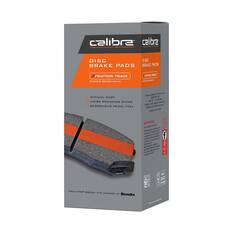
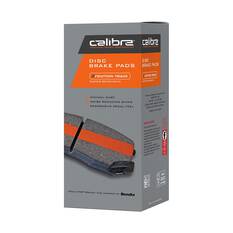
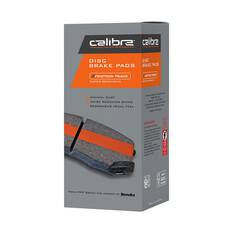
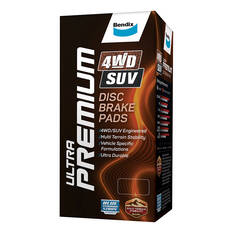
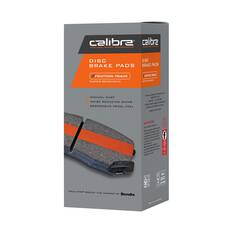
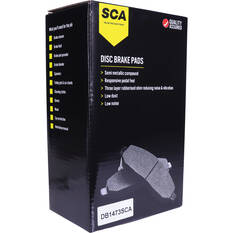
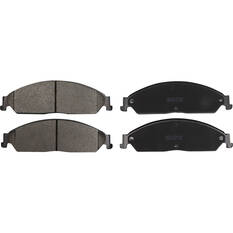
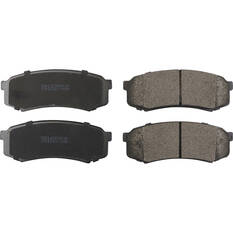
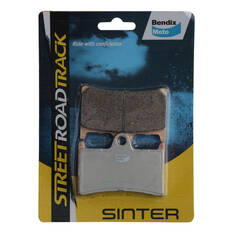
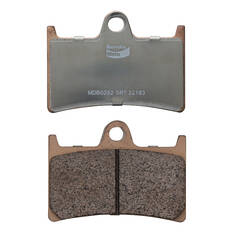
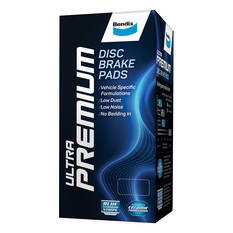
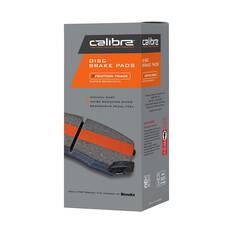
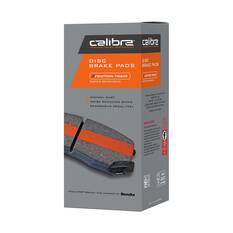
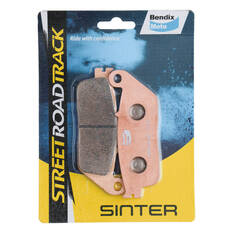
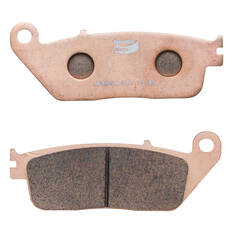
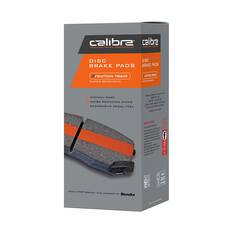
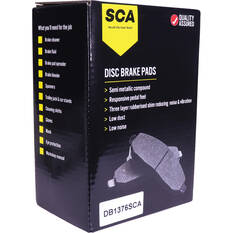
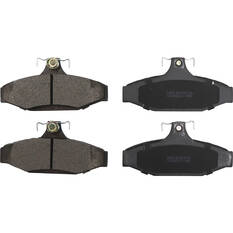
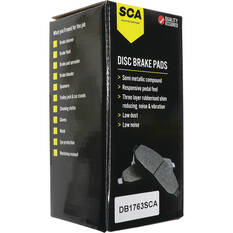
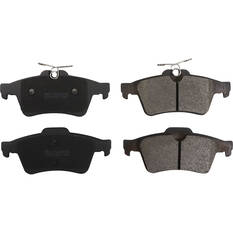
Brake pads help convert pedal pressure into consistent and controlled stopping performance. Working alongside brake discs, brake pads create the friction needed to slow the vehicle smoothly and predictably during everyday driving. At Supercheap Auto, our range includes brake pads suited to regular commuting, longer trips, and higher-demand applications. Brake pads are designed to deliver stable friction levels, manage noise, and wear evenly over time, supporting reliable braking performance, improved pedal feel, and confident vehicle control.
Potential signs of brake pad replacement
Brake pads are designed for replacement as wear symptoms begin to appear. Brake pads wear over time, and recognising early warning signs helps prevent damage to brake discs and brake calipers. Common indicators include squealing or grinding noises, reduced braking response, vibration through the brake pedal, or an illuminated brake warning light. Brake pads worn beyond safe limits can compromise stopping performance. Timely brake pad replacement supports safer braking operation and helps reduce longer-term maintenance costs.
How to choose the right brake pads
Brake pads are designed to suit different vehicles, driving styles, and service intervals. Choosing brake pads involves considering factors such as vehicle make and model, front or rear fitment, braking load, and preferred balance between noise, dust, and stopping response. Brake pads are also available in different material types, each delivering distinct performance characteristics. Choosing brake pads matched to your vehicle requirements helps maintain braking consistency, protects brake components, and supports predictable stopping behaviour.
Front brake pads and rear brake pads
At Supercheap Auto, we offer brake pads for both front and rear brake systems. Front brake pads handle a larger share of braking force and often wear faster, while rear brake pads contribute to overall balance and stability. Choosing the correct brake pads for each axle ensures consistent braking behaviour and even wear. Brake pads designed for specific front or rear applications support proper fitment, smooth operation, and predictable braking response.
Brake pads from leading brands
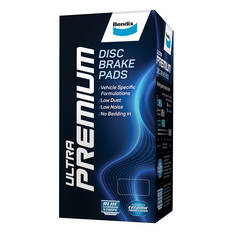
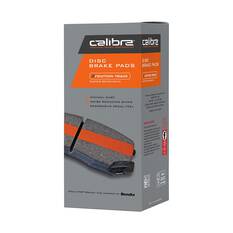
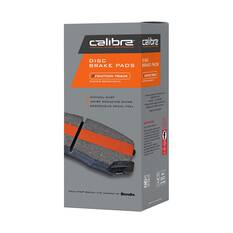
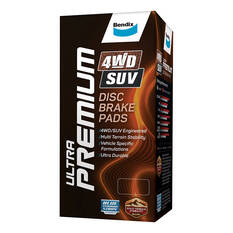
Our range of brake pads includes trusted brands such as Bendix, DBA, Calibre, Brembo, Bremtec, and Project Mu. Each brand offers brake pads engineered to meet specific performance, comfort, or durability requirements. Brake pads from established manufacturers are developed with tested friction materials and precise manufacturing standards. At Supercheap Auto, brake pads from trusted brands provide confidence in braking performance, helping drivers choose products aligned with vehicle needs and driving expectations.
Shop brake pads at Supercheap Auto
Brake pads at Supercheap Auto combine broad fitment coverage, trusted brands, and practical choice. Whether you’re commuting daily, tackling longer trips, or using your vehicle for higher-demand applications, our brake pads support safe and reliable braking performance. With front and rear options and multiple material types, brake pad selection is made simple for maintenance and replacement needs. Designed to deliver consistent friction, controlled noise, and even wear, our brake pads help maintain confident and predictable stopping.
Frequently Asked Questions - Brake Pads
How do brake pads work?
Brake pads work by pressing against the brake discs (or rotors) to slow the vehicle. When the brake pedal is pushed, hydraulic pressure forces the pads to clamp onto the spinning discs, creating friction. This friction converts the vehicle’s momentum into heat, which slows it down. Think of it like rubbing your hands together to create heat, however in this case, the friction safely slows the car instead of your hands.
What’s the difference between front and rear brake pads?
Front and rear brake pads are designed for different roles in the braking system. Front pads handle most of the braking force and often wear faster, while rear pads contribute to balance and stability. These may also differ in size, material, and performance characteristics.
How do I know when brake pads need replacing?
Brake pads wear over time, and spotting early signs helps keep braking safe. Common indicators include unusual noises, reduced pedal response, vibration, or longer stopping distances. Some vehicles also have wear sensors or warning lights. Regular visual checks or servicing can help identify worn pads before performance is impacted.
How often should I replace my brake pads?
The frequency of brake pad replacement depends on factors such as driving habits, vehicle type and the quality of the brake pads. As a general guideline, it is recommended to inspect your brake pads every 20,000 to 24,000 kilometres. If you notice significant wear or a decrease in braking performance, it's advisable to replace these promptly to maintain safety and efficiency.
Which brake pads will fit my vehicle?
The brake pads that fit your vehicle depend on its make, model, year, and sometimes engine type or trim level. Choosing the right brake pads ensures a perfect fit, reliable braking, and long-lasting safety, while the wrong pads can reduce performance and cause uneven wear or damage. If you’re unsure which brake pads to choose, simply enter your car rego into 'My Garage' to see which products are compatible with your specific vehicle make and model.
Which type of brake pad material is best for my vehicle?
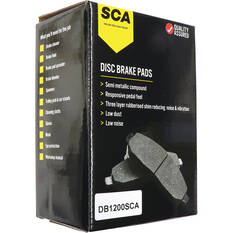
Brake pads come in several materials, including ceramic, semi-metallic, and organic. Each material has distinct benefits: ceramic pads are quieter and produce less dust, semi-metallic pads are durable under high heat, and organic pads offer smooth, gentle braking. Choosing the right material depends on driving style, vehicle type, and performance requirements.
Can I replace brake pads myself, or should a mechanic do it?
Brake pads can be replaced by experienced DIYers with the right tools, however safety and proper installation are essential. Many drivers choose a qualified mechanic, as incorrect brake pad fitment can reduce braking efficiency or damage components. Following manufacturer guidelines and using recommended pads is essential for DIY replacements.
Do I need to replace brake rotors when I replace brake pads?
Rotors do not always need to be replaced when installing new brake pads, but it is important to inspect these for wear, grooves, or warping. Worn or damaged brake rotors should be replaced alongside new brake pads to maintain smooth braking performance and prevent uneven pad wear, while lightly worn rotors may only need resurfacing.
Are aftermarket brake pads as good as OEM?
High-quality aftermarket brake pads can meet or exceed original equipment manufacturer (OEM) standards if sourced from reputable brands. While OEM brake pads are designed for exact vehicle specifications, carefully chosen aftermarket brake pads can provide comparable performance, durability, and safety at a lower cost than OEM replacements.