

How to Install Roof Racks
Overview
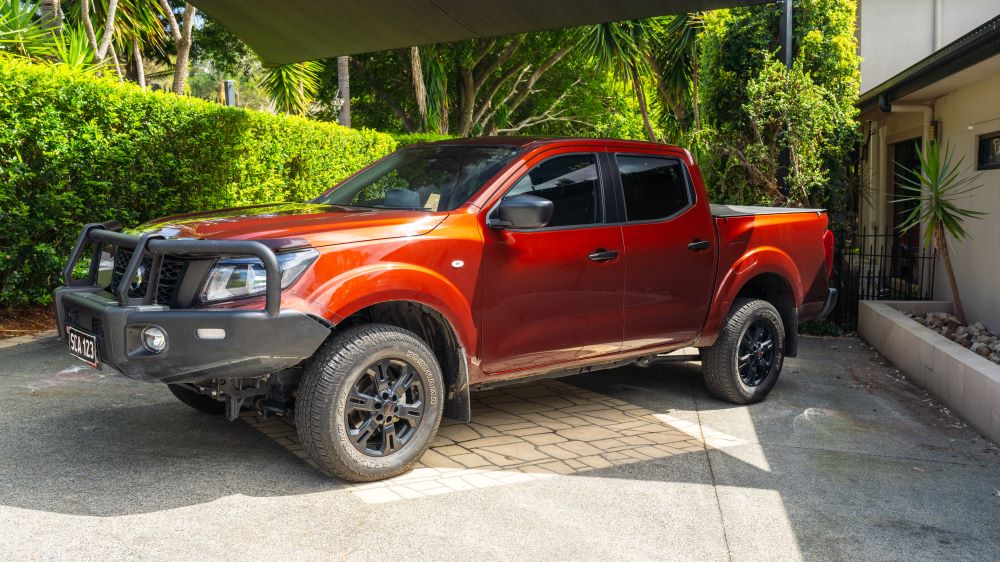
Preparing your vehicle for a camping trip, only to realise you're out of space? Don’t worry – you can still make room by going up. Roof racks are an excellent way to maximise your car's storage capacity and add accessories like an awning or rooftop tent.
Roof storage options are diverse, ranging from bars and flat racks, to pods and specialised bike carriers. The options for roof rack accessories are almost endless! These solutions offer versatility to fit your specific needs.
The key to choosing the right roof storage solution for your car comes down to what you plan to carry and the available mounting options for your vehicle.
Materials List
Steps
Choose your roof racks
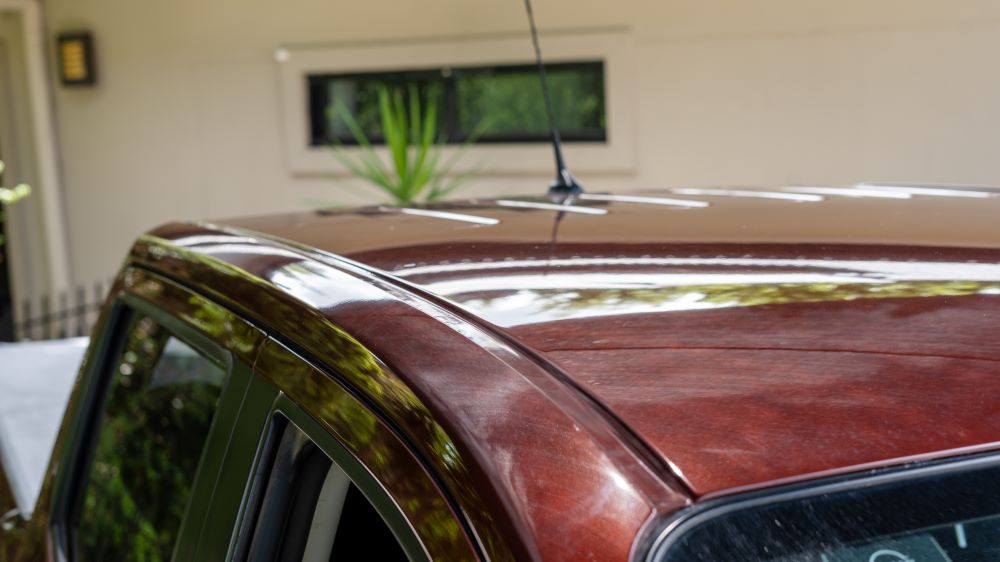
Start by examining your roof. Do you already have side rails? Is it flat and smooth, or do you have gutters? Is there a plastic trim along each side? If you're unsure, use the Supercheap Auto ‘My Garage’ feature or visit a store where our team can assist in selecting and even installing the racks (available at select locations).
Once you've identified how to mount the racks, you can choose from bars, bars with a rack, or a fixed rack. Most mounting options offer all three choices, so your decision may come down to personal preference. Once you’ve made your selection, you’re ready to install.
Install your roof racks
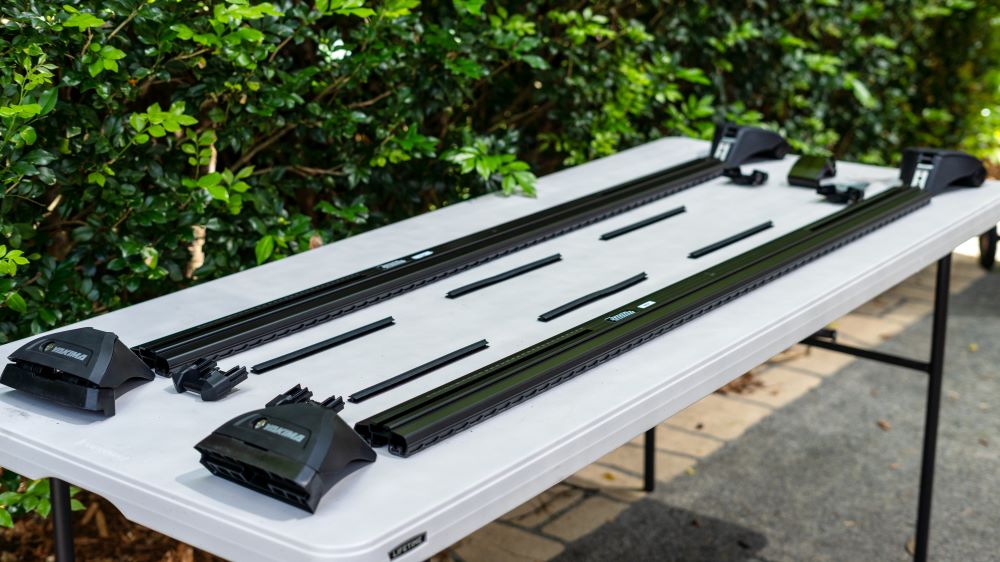
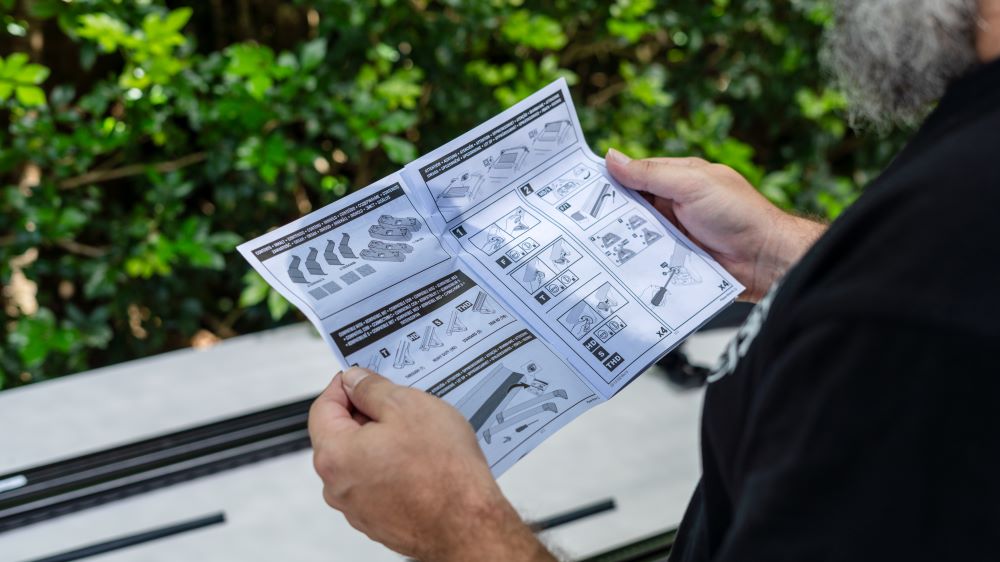
Begin by laying out all the parts and reviewing the included instructions. If the instructions specify measurements, mark them with tape.
Clear the installation area by removing any old hardware and cleaning the surface to avoid trapping dirt or grime, which could cause wear over time.

The installation process may vary depending on the kit, but the general steps are similar. Loosen the fasteners on the feet until they move freely along the bar (tools are often included).
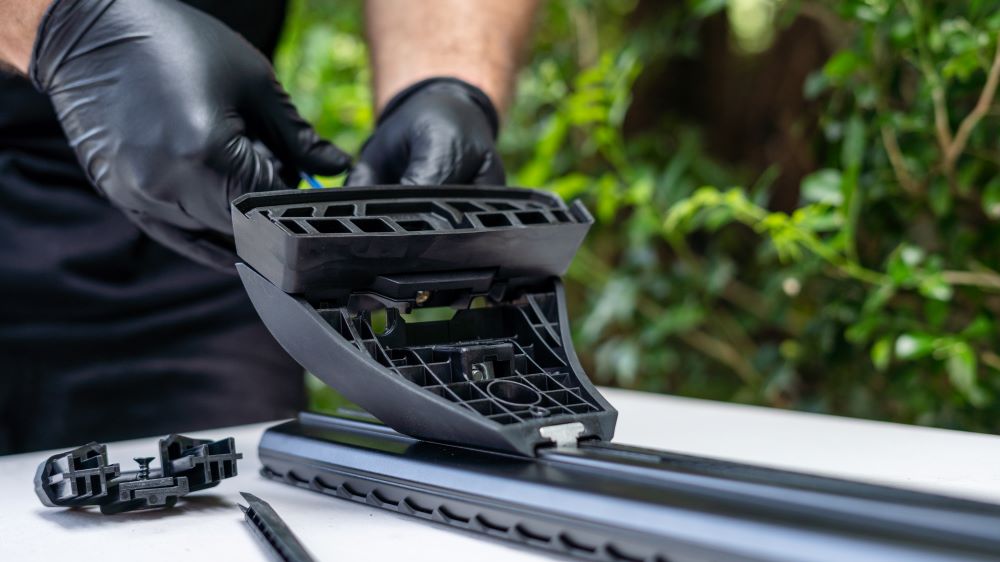
It's a good idea to have a friend help you lift the bars onto the roof to avoid damaging the car. Once the bars are in position, align the feet with the marks you made earlier.
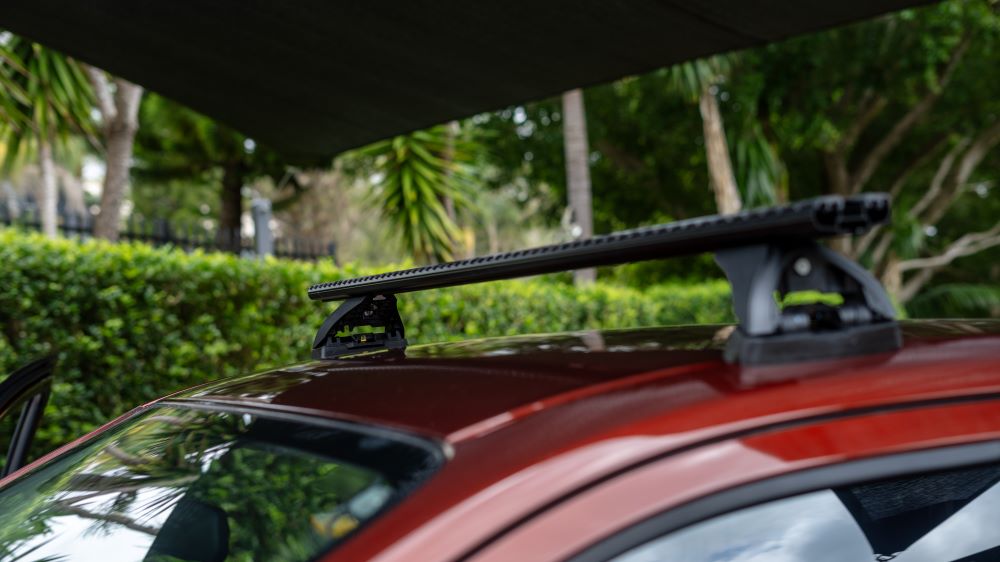
Follow the instructions to loosely fasten the roof bars, checking measurements as you go. Before tightening, ensure the bars are centered. Measure from the edge of the bar to each foot, adjusting until both sides are equal. Avoid relying on a visual estimate to ensure the bars are straight.
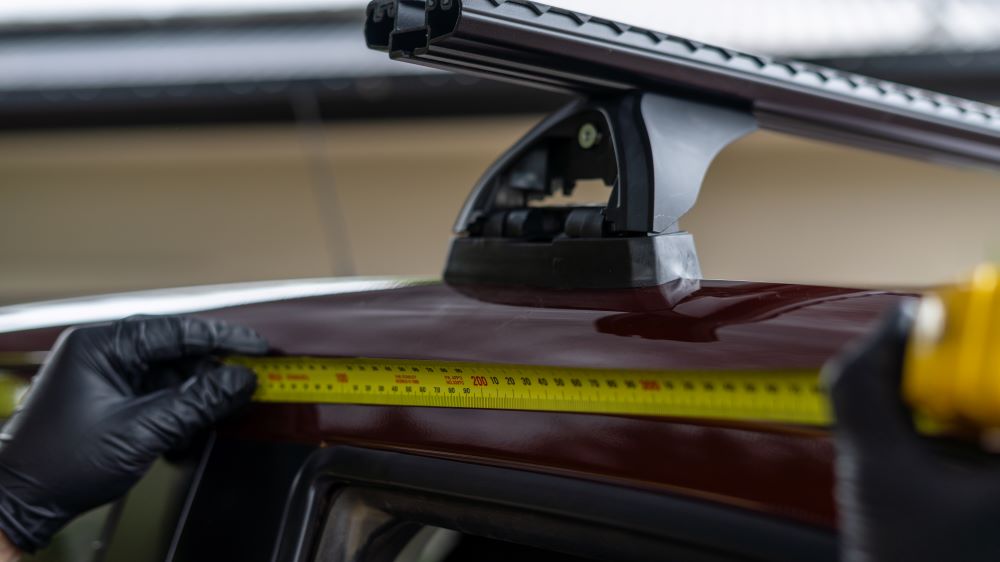
Once aligned, tighten everything securely and replace any removed trims.
Accessorise
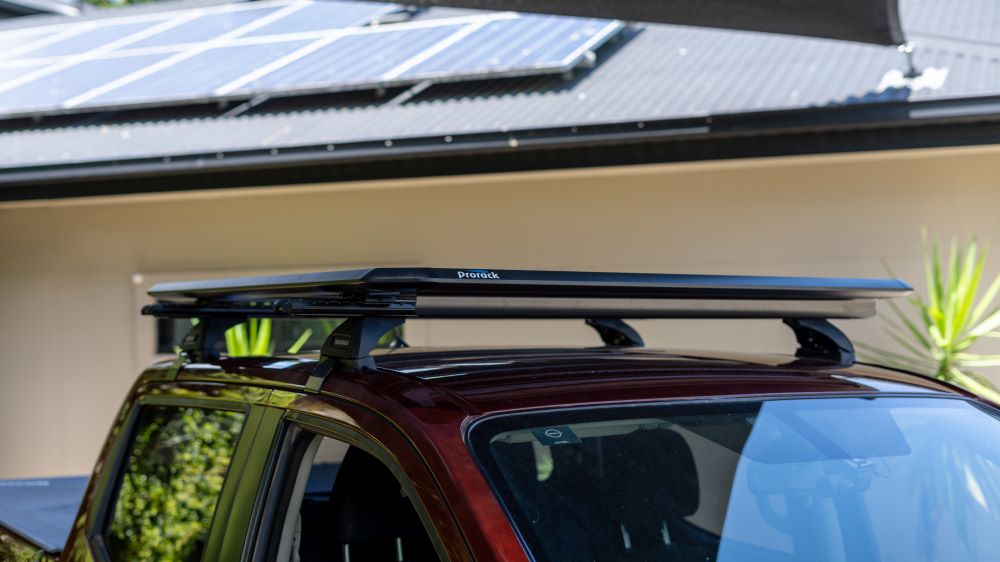
With roof bars, you can easily mount an awning, carry a ladder, or transport a kayak. For more options, add a roof platform or basket for smaller items, or install a roof pod for weather protection and added security. You can also carry items like shovels, gas bottles, or recovery boards. For more info, we’ve got you covered with our DIY on how to choose roof rack accessories.
Always be mindful of your vehicle's static and dynamic load limits when accessorising. To learn more, check out our DIY on roof racks and carrying loads.
FAQs
What are the different mounting options for roof racks?/ How can I tell what mounting option my car has?
Clamp Mounts: The most common type of bare roof installation, clamp mounts, also referred to as bare roof or clamp mount, are perfect for vehicles without factory concessions for roof rack fitting. The main benefit of this clamping style is its versatility - it can be used on a wide variety of vehicles. However, the bar spread can't be adjusted as the racks need to be installed at specific positions in the vehicle’s door sill for strength.
Flush Rail Mounts: Flush rails run along the roof length without any gap between the roof and the rail itself. These require a leg that will clamp onto the rail component without touching the roof. The flush rail mounts allow the bar spread to be adjusted, offering the flexibility to accommodate different accessories.
Raised Rail Mounts: Raised or open rails provide a clear space between the roof and rail, allowing more freedom in fitting racks. These offer more bar spread options and versatility in mounting methods. However, in some cases, open rails may reduce the maximum carrying capacity of your vehicle’s roof.
Fixed Point Mounts: Fixed point mounts are often seen on vehicles without any rails and provide better overall load ratings. However, these systems limit the placement of bars and sometimes require minor modifications to your vehicle for rack installation.
Gutter Mounts: Gutter mounts are an older installation style, often seen on vehicles like the GU Patrol and early Toyota models. These are straightforward to install and perfect for vehicles with a roof gutter.
Track Mounts: A track mount refers to a permanent installation of a metal track that runs along your roof or canopy length. This versatile system can be installed on practically anything and allows the addition of any number of bars to your system.
Permanent Mounts: Permanent mounts combine the characteristics of fixed points and tracks - they're riveted to your roof like a track, and once installed, they can't be moved, like a fixed point.
What is the roof rack weight limit?
Your Vehicle Manufacturer’s Roof Loading Capacity (GCM) will determine the maximum weight your roof can hold, this INCLUDES the roof rack everything is attached to. The best place to find your GCM is your owner’s manual.
It’s important to note that GCM ratings vary significantly so make sure you’re certain of your car's GCM before adding too much weight as you can potentially damage your vehicle’s roof and even axles.
For more information on load ratings, visit Yakima’s load ratings explained.
*Important information* - Click here to read more about our DIY Advice Terms and Conditions.